By: Jo Almond
This summer, I am working as a naturalist at camp – we call it “Teva,” Hebrew for “nature.” But what is nature, and what does it mean to be connected to it, here at Tawonga?
Often, we think of “nature” as land that is untouched by humans; maybe the word “wilderness” comes to mind, or the idea of “leave no trace.” In my role this summer, I am committed to helping campers rethink this divide between “us” and “nature.” A big part of our programming is centered around exploring Indigenous land practices; on Tawonga’s land, that means looking at Sierra Miwuk traditions. There is a natural resonance here with Jewish teachings, too. Judaism asks us to see ourselves not as separate from the earth, but as part of it and responsible to it. Even the Hebrew words for human and earth, adam and adamah, share a root. At Teva, we explore what it means to put that relationship into practice, while learning from the Indigenous people who have cared for this land for generations.
By exploring Miwuk stewardship of the land, as well as their dependence on it for food, clothing, medicine, and materials, campers are learning that we can participate, and even use, the land around us, in non-extracting, stewarding ways. In fact, maybe they are learning, as I am, that to use and depend on land is the very thing that leads us to a deeper form of attunement and care.
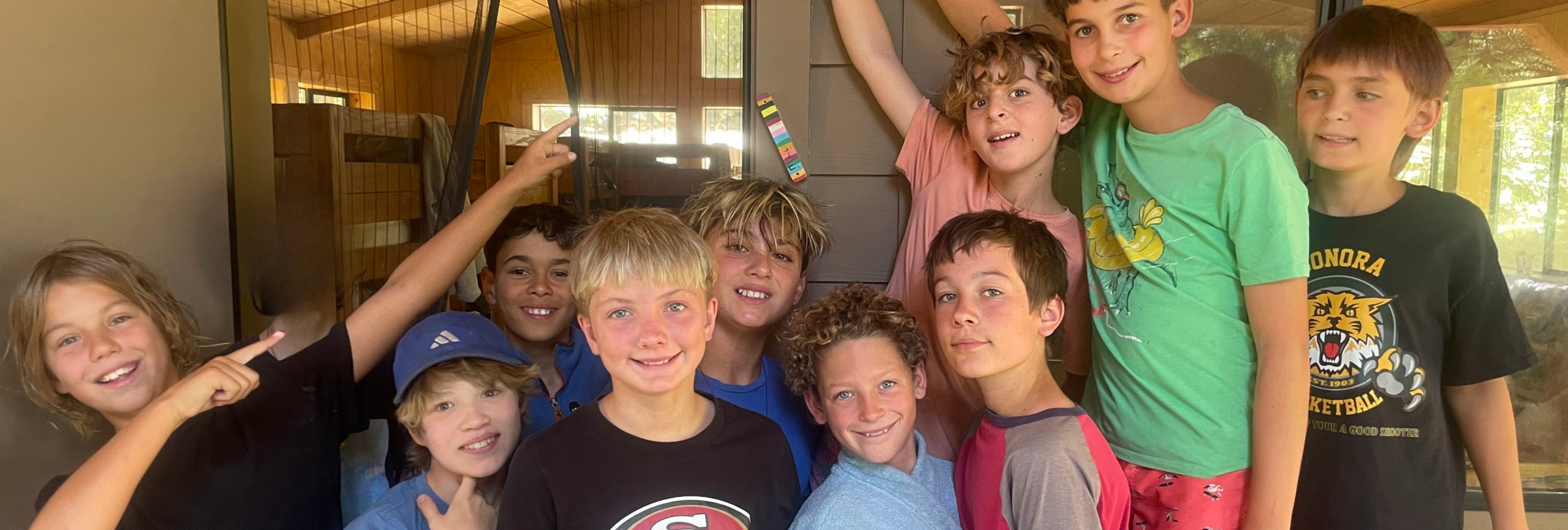
“How do you think it would impact your relationship to your environment,” I ask the 13-year-old campers surrounding me, “if you relied on it for all of your food?”
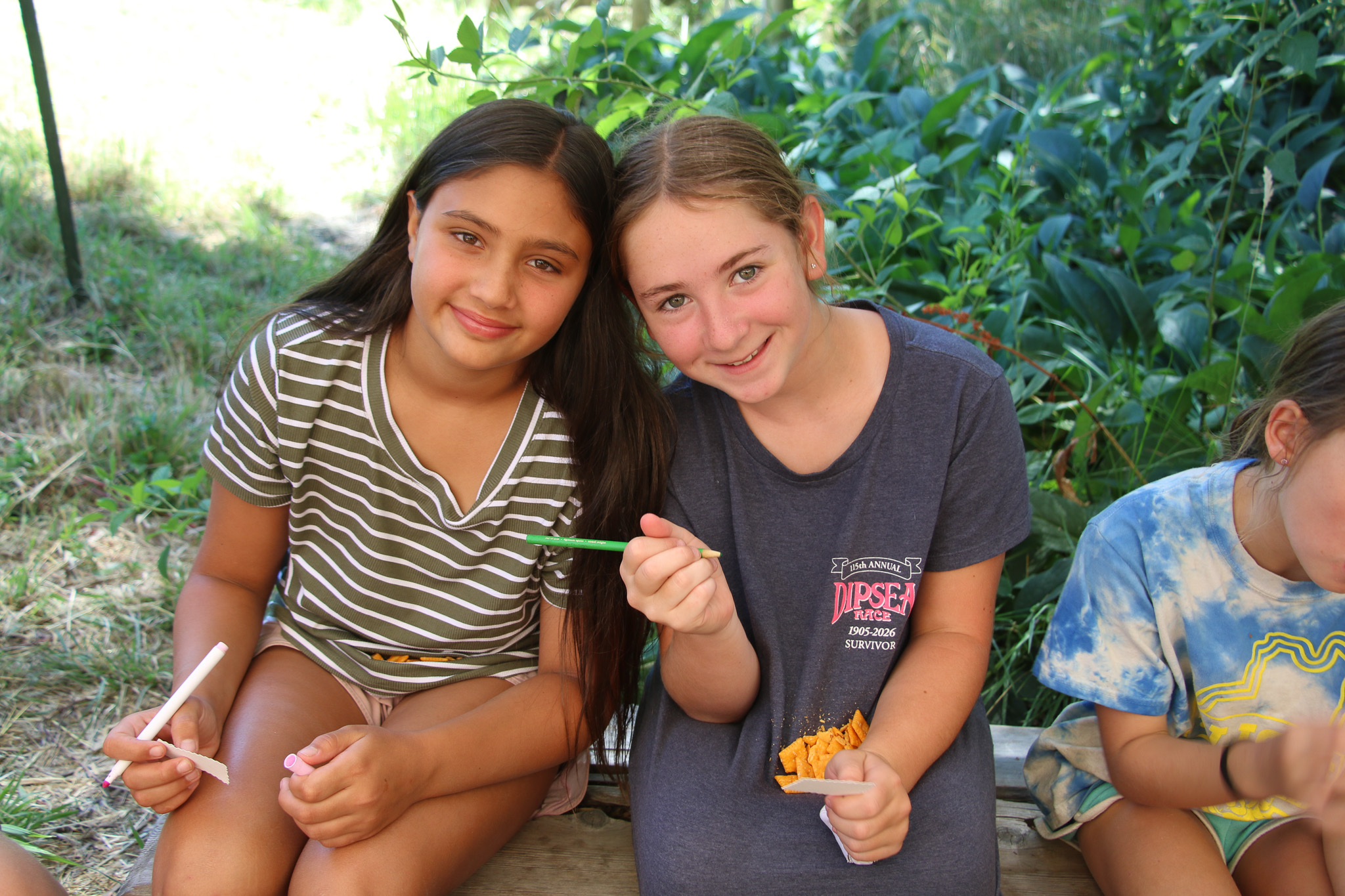
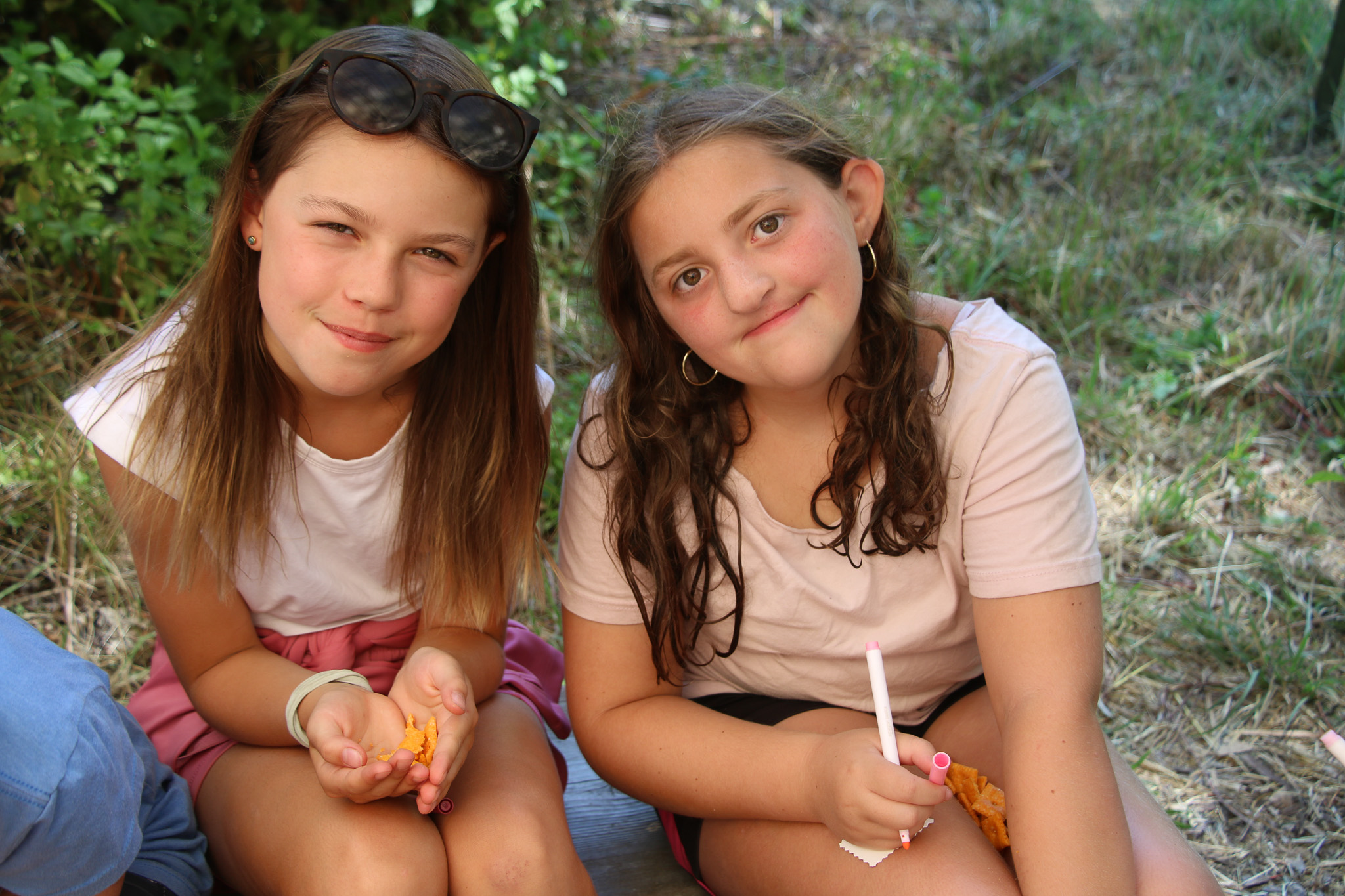
We are sitting at Cookie Corner Near the Wilderness Shed and Saloon at this point in the Miwuk Walk, around a large, flat boulder riddled with deep holes. These holes can be found on boulders all throughout camp, and are some of the most concrete evidence of Miwuk presence on the land. It was generations of Miwuk food processing that eventually wore away these perfectly circular pits in the granite – primarily, the pounding of acorns, a staple Indigenous food throughout this region. This is what Miwuk Walks – an integral part of Teva programming – are all about: guiding campers to notice the signs of Indigenous stewardship still present on this land, and reflecting on how we can bring these practices forward as the land’s new, and temporary, stewards.
After explaining how the holes were formed, I have the campers guess what else, besides acorns, Miwuk people ate here. Usually campers get most of it: deer meat, berries (“can you spot a manzanita?”) foraged greens, fish from the river. I have them identify black oaks, point to one near us, and we sit with this idea for a moment, that an entire people could be sustained by this land on which we are now living.
Next, I ask the bunk to think about a meal they recently ate. From how many places do they think it came? Usually there’s some laughing, a few hesitant guesses that cheese comes from cows on a farm… somewhere, and tomatoes, perhaps, from Mexico? “If you don’t know, that’s okay,” I tell the campers. That’s the point – we don’t really know, most of us, nowadays.
Noticing Manzanita
When I ask campers how their relationship to the land they live on would change if they relied on it – and only it – for food, most kids tell me they would care for it more. This is a great answer, of course, but on one Miwuk walk, we went even further. On this walk, my friend Raq and I decided to take the kids foraging for manzanita. We gathered around the largest manzanita tree on the Challenge Course and asked permission to collect berries to make cider, just as Miwuk people have done for thousands of years.
Reflecting at the end of the block, the campers were shocked at how much they’d noticed. “I’ve never seen a praying mantis in the wild before,” one said. “But it was right there!”
During our recent land gathering, when we learned ancestral Miwok traditions with our Miwok neighbors, including the pounding of acorns into Nupa (acorn soup,) this idea was apparent throughout all stages of food processing and cooking: to live from the land is to notice the land. Think about the knowledge that sustains our bodies: where I come from, it is knowledge of money and the economy. How many dollars do I need to buy eggs? How much is the tax on bread?
What if the knowledge we needed to sustain ourselves was, instead, this deep knowledge of place: the direction of the breezes, and rivers and their rocks, and each tree’s special use. What if we needed to know which plants can be used for baskets, and which for medicine – or both, as is the case for the willow trees that sprawl just outside Tawonga’s garden, their splayed shapes evidence of Miwuk tending hundreds of years ago?
Teva Means Nature
I conclude many of my Miwuk walks with one reflection, that I hope campers will carry with them far beyond that day: the land is full of abundance – but we need to meet it halfway, with our skills, and our stories.
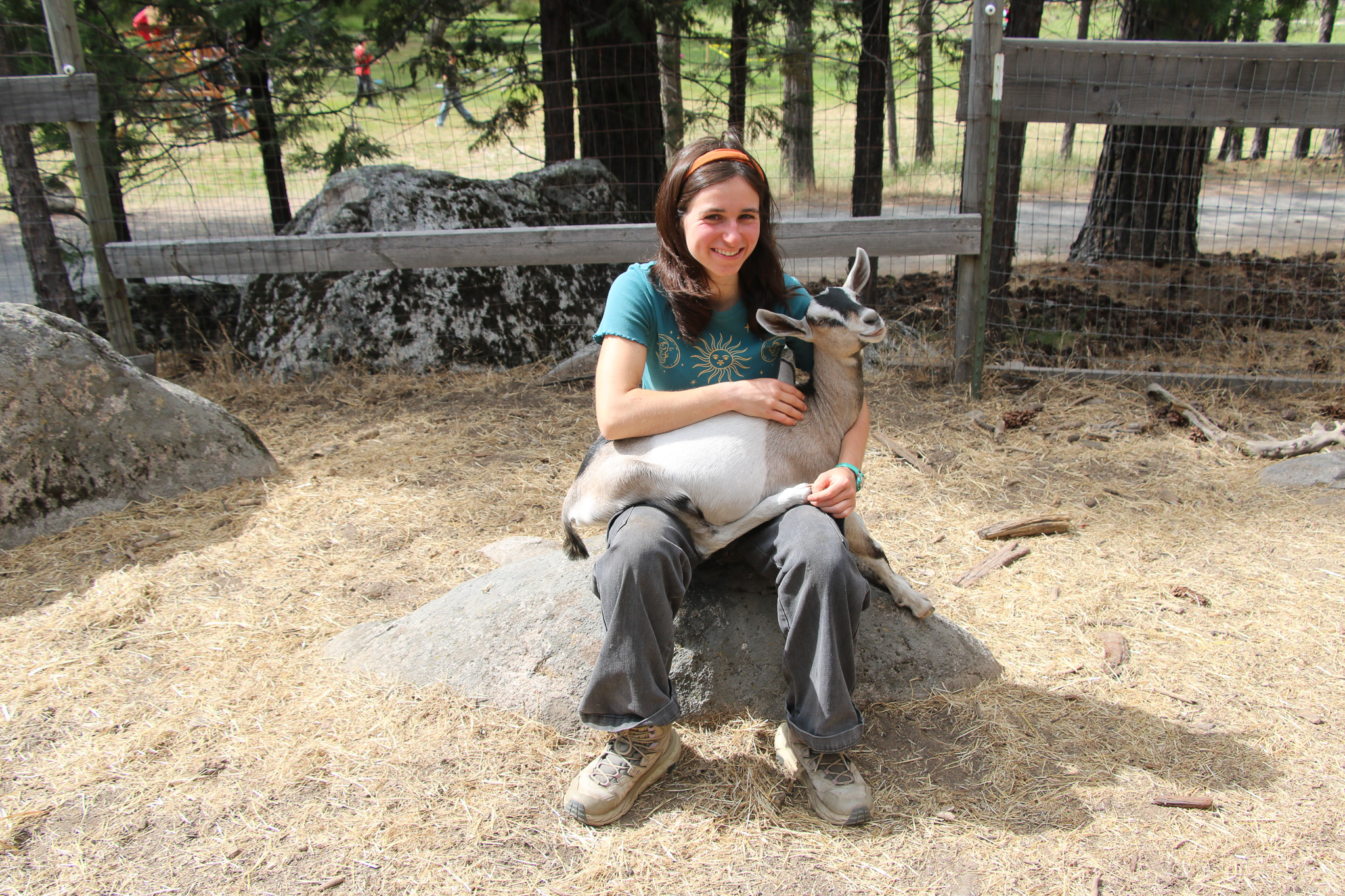
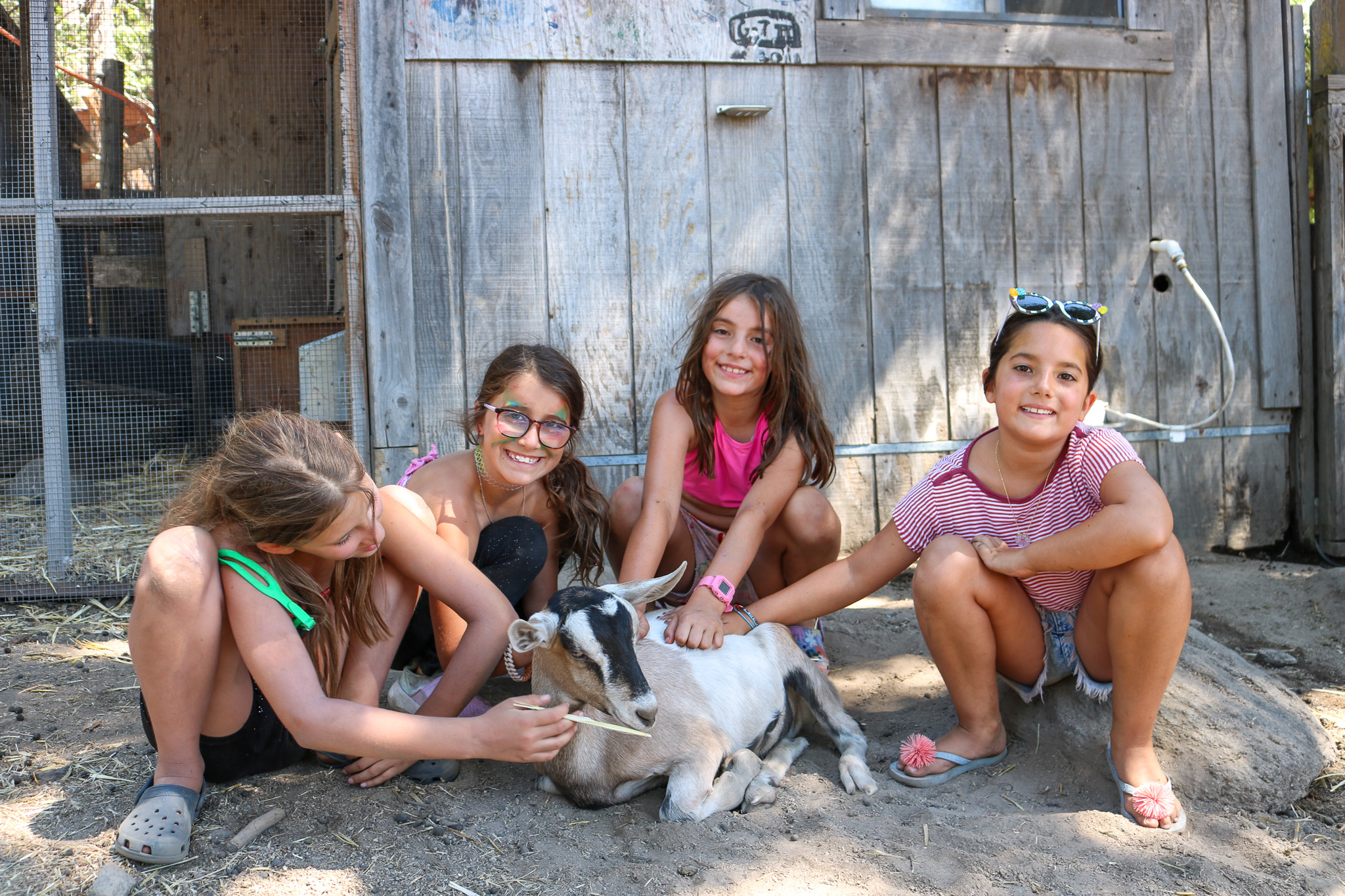
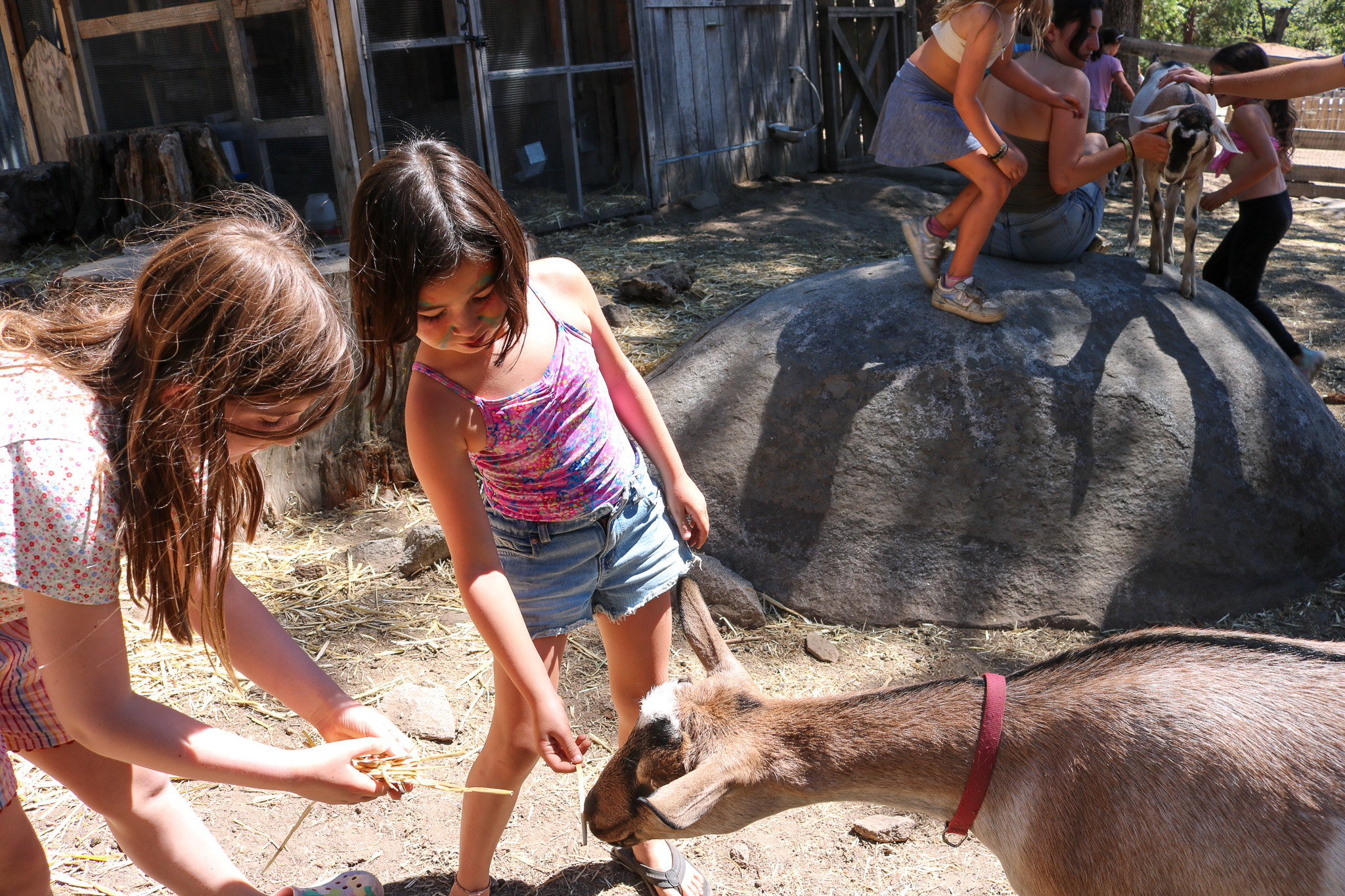
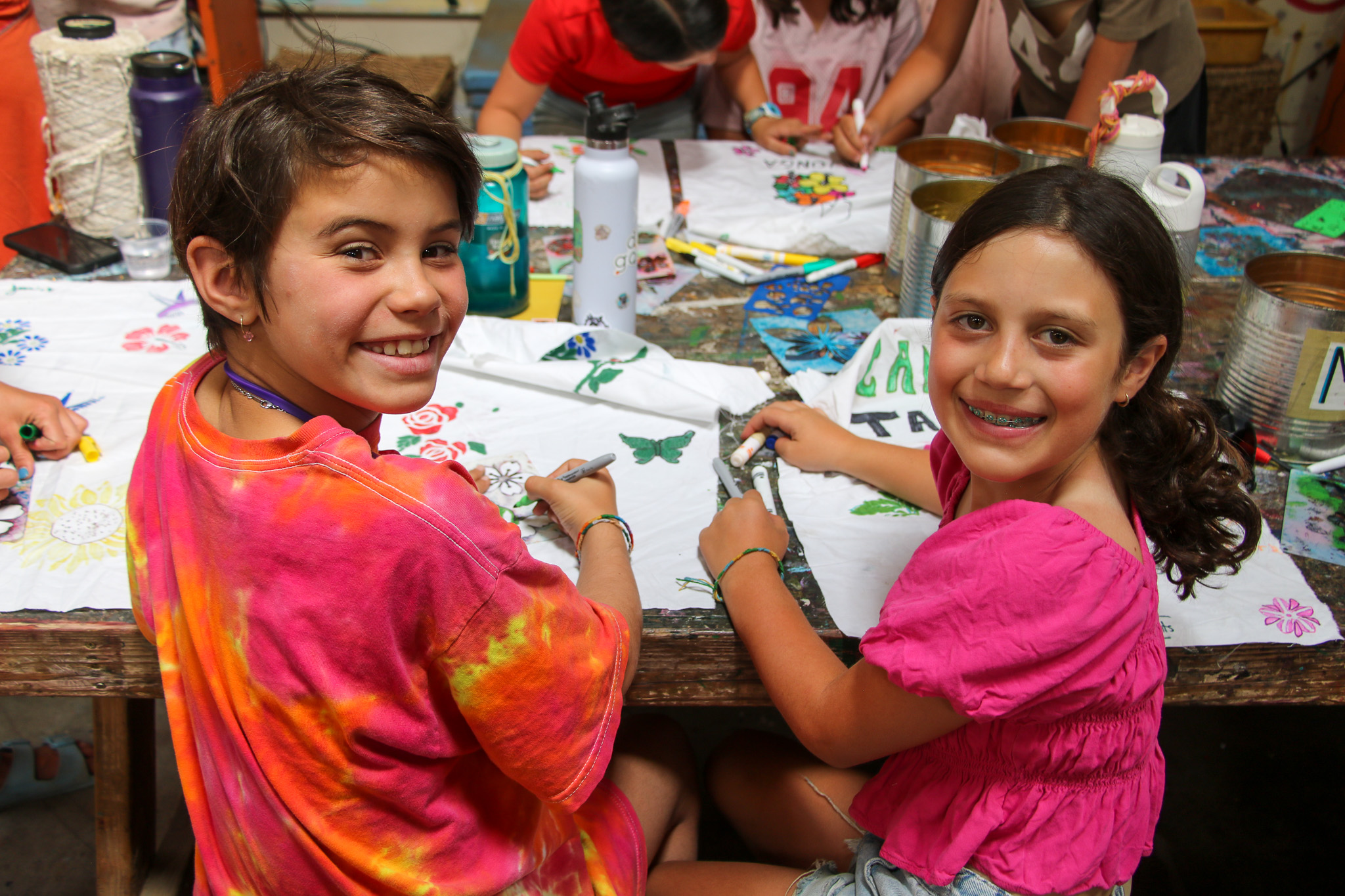
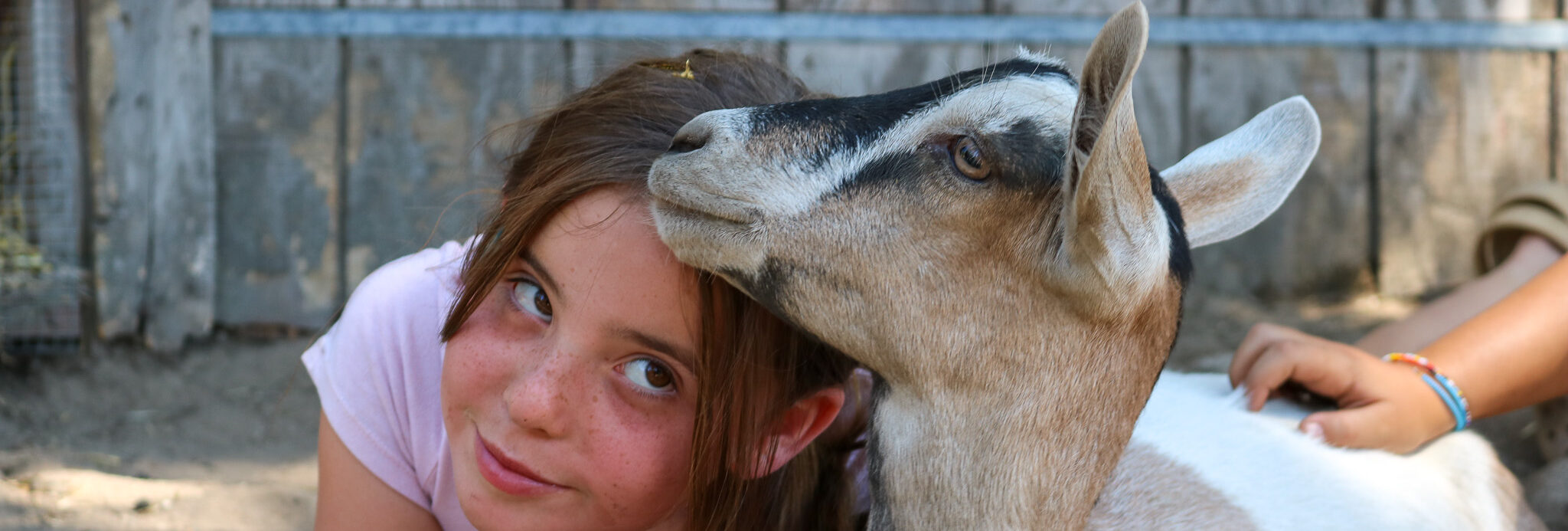
On Teva, we try to impart these skills through many types of programming. When we weed garden beds, we identify purslane, and the campers snack on its leaves as they work. After every Cuddle Puddle on the farm, I ask them to reflect on how they found ways to communicate beyond words, transcending species difference. Every tea-making block, we begin with our senses: just smelling the herbs – noticing them. We read stories, the bedrock of our perception of the world and our place in it: the Jewish tale of Honi and the Carob Tree, alongside Miwuk stories like the Tale of El Capitan.
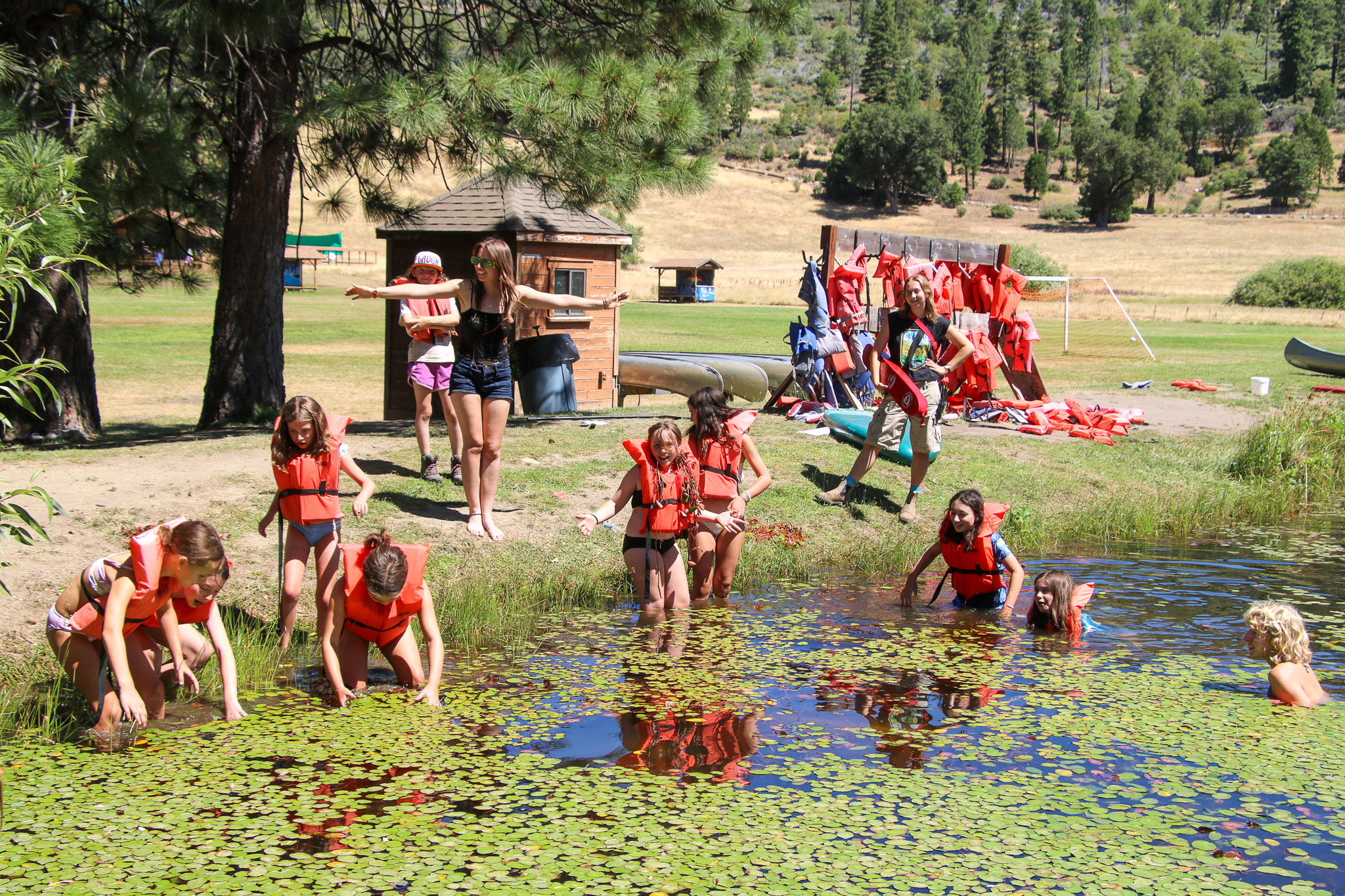
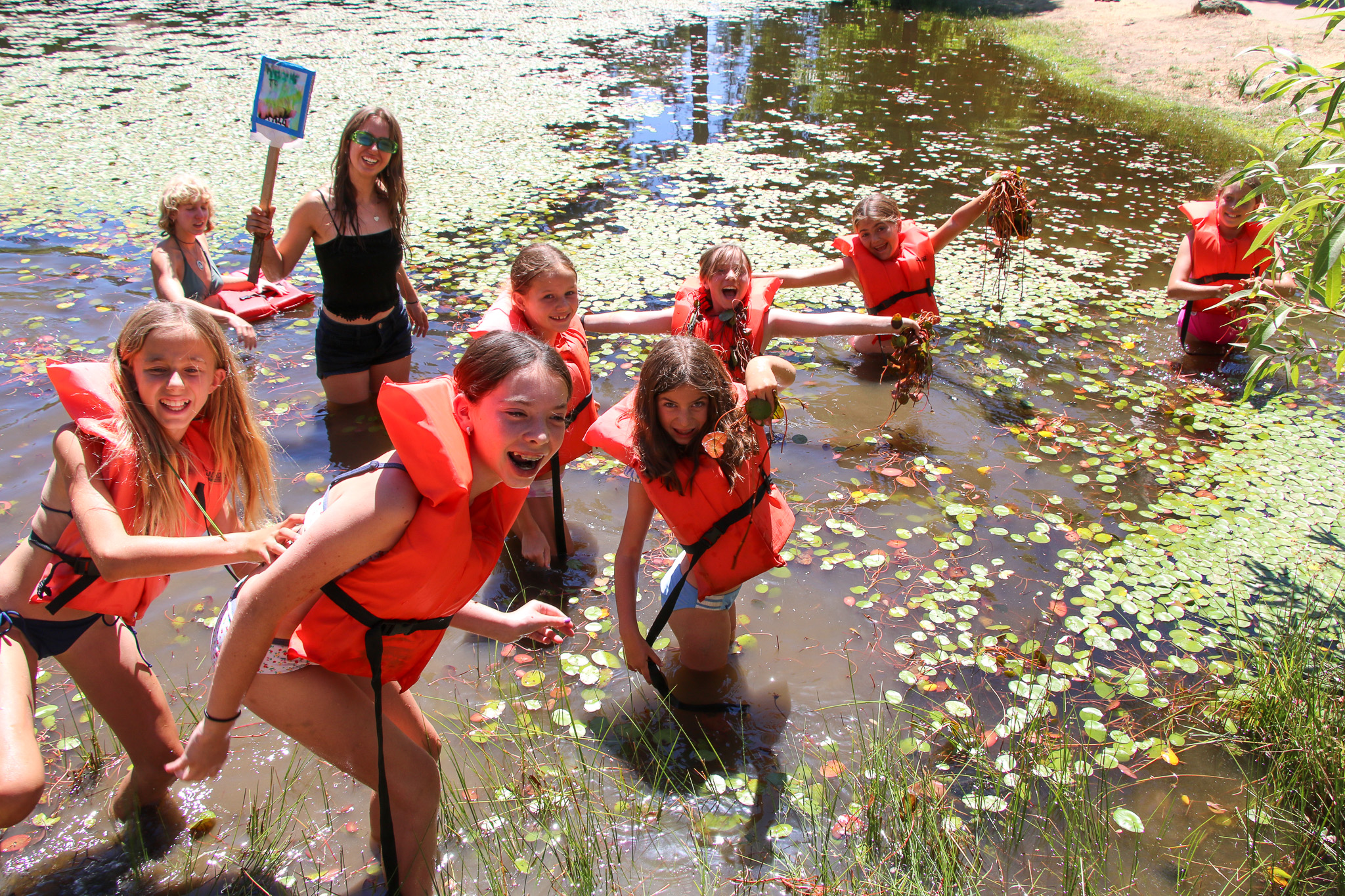
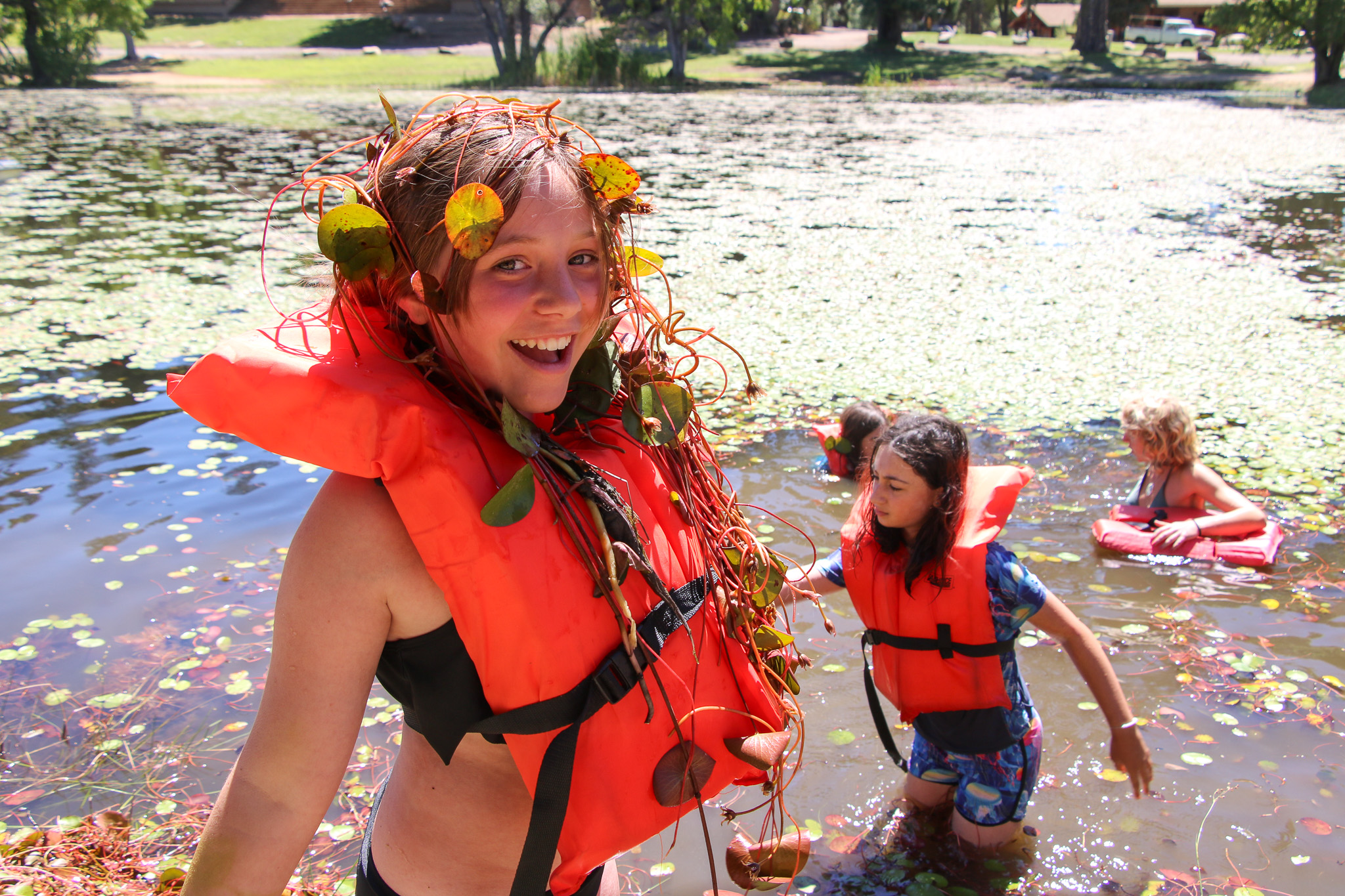
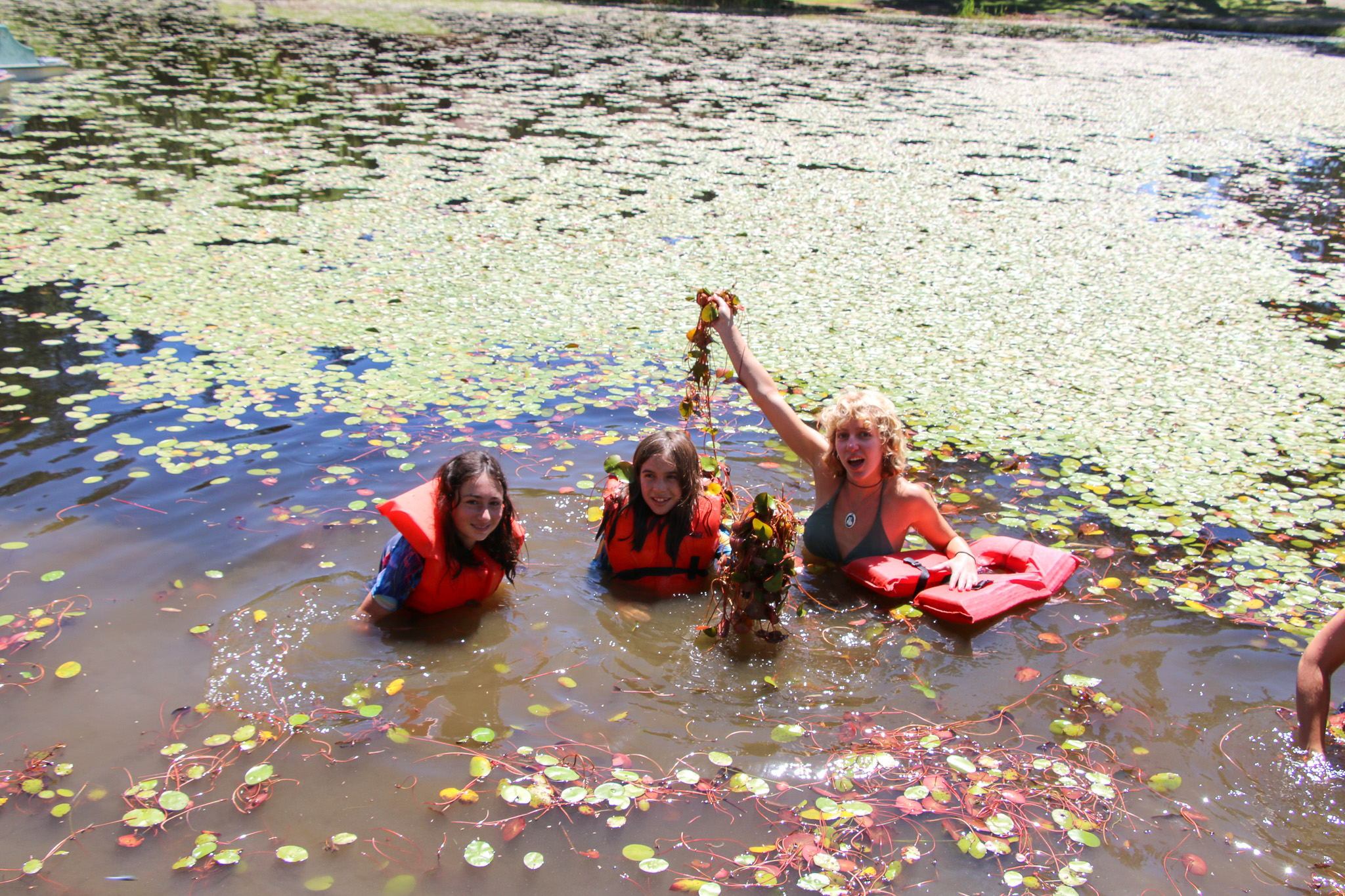
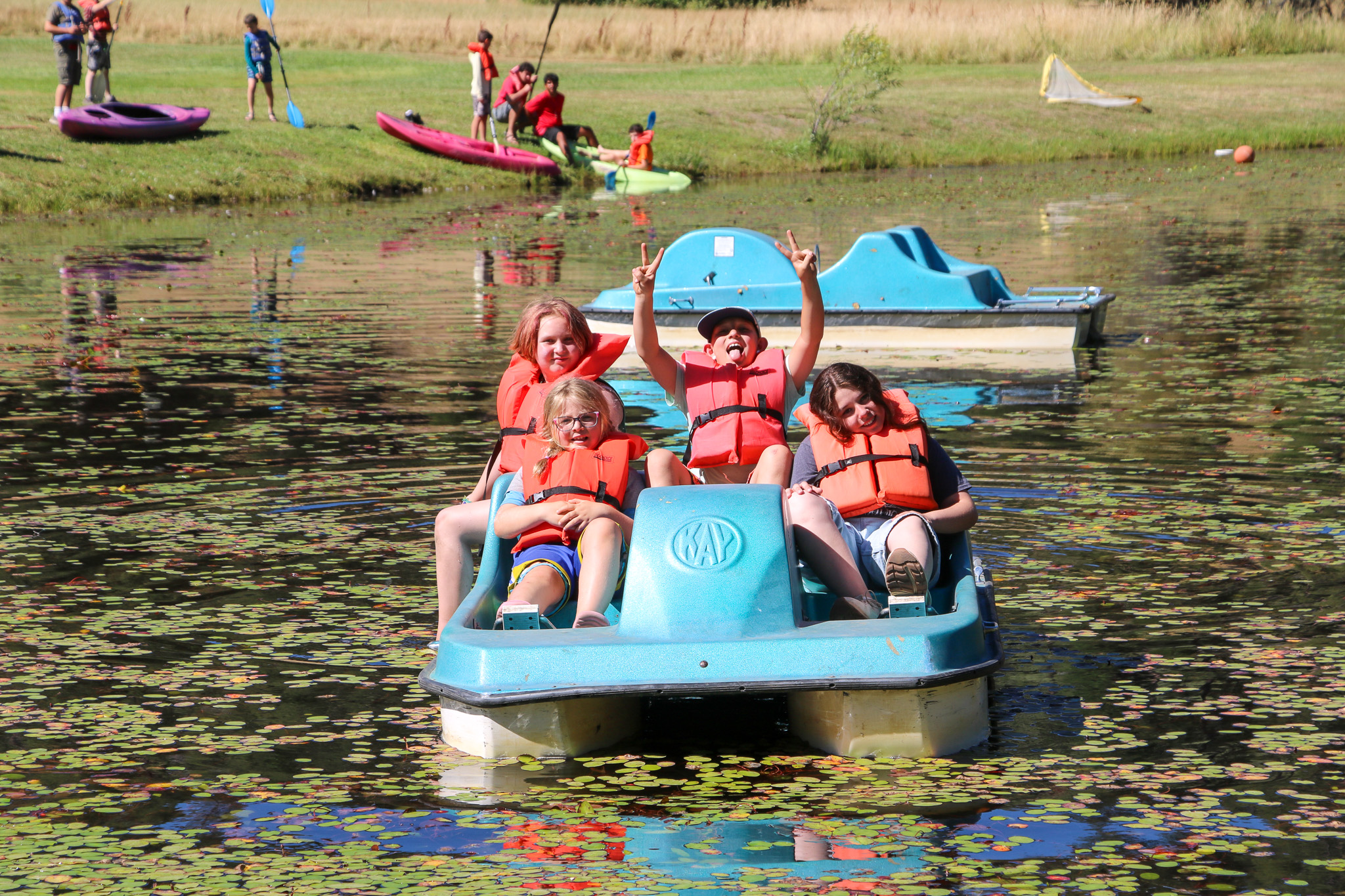
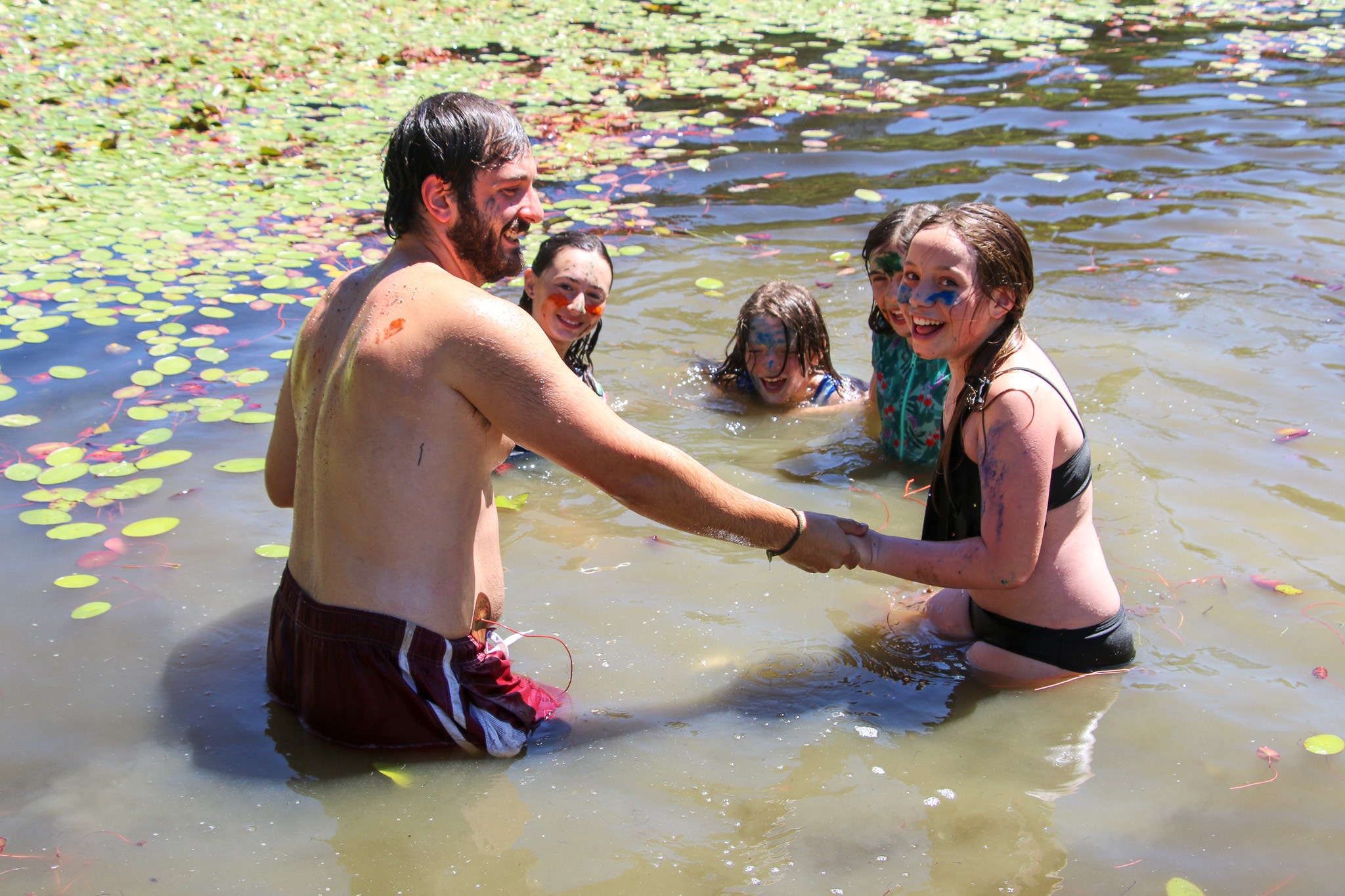
We practice leaving “positive traces” on the land, defying the heralded principle of Leave No Trace. During Forest Tikkuns, we create burn piles so we can continue the controlled burns that Miwuk people have been using for generations, create trails, and remove invasive lilypads from the lake.
My job this summer, as I have come to understand it, is to teach kids to be a steward in partnership with the land rather than protecting it from the outside. I hope they remember the taste of acorns, the elegance of the praying mantis, and the sparkle and crunch of thick purslane leaves. I hope they remember these moments when they get to fully be – not individuals, but an entangled, nourished, and joyful, part of the land. Perhaps that is one of the most meaningful connections between the Jewish values we try to cultivate at Tawonga and what we are learning from Indigenous traditions here: that caring for the world is not about standing apart from it. It is about relationships, responsibility, gratitude, and reciprocity.
About the Author
Jo Almond is a second generation Tawongan and a camper and Quester alum, currently working as a Naturalist and a Farmhand this summer. Outside of camp, she works as a writer and activist, studying Environmental Anthropology at Wesleyan University. Jo has authored several pieces for Tawonga prior to joining the summer staff. See her reflection on Quest in this 2019 post. Jo’s dad, Steve Almond, is a Tawonga alum and New York Times best-selling author. You can read his reflections on Camp here.