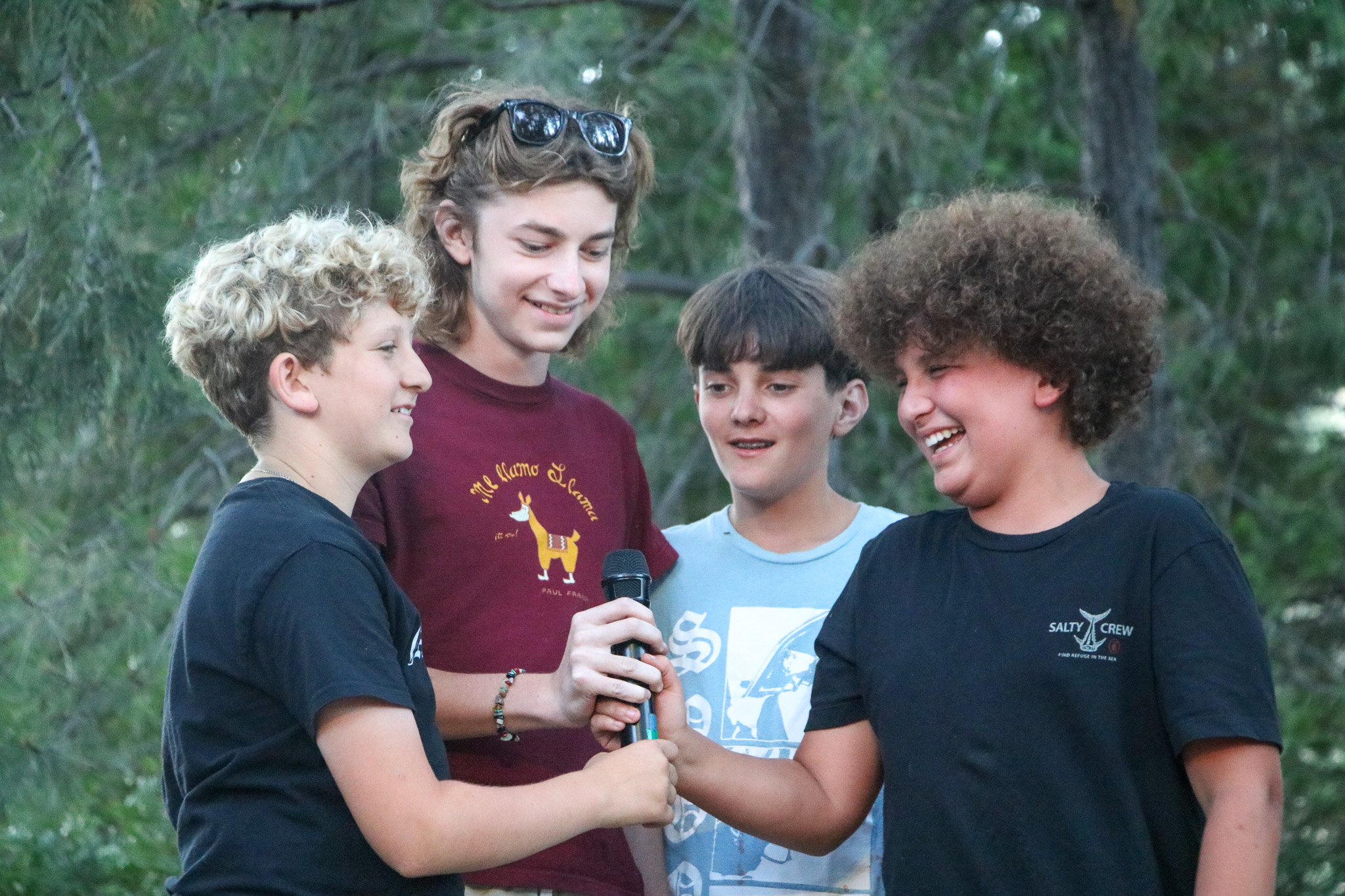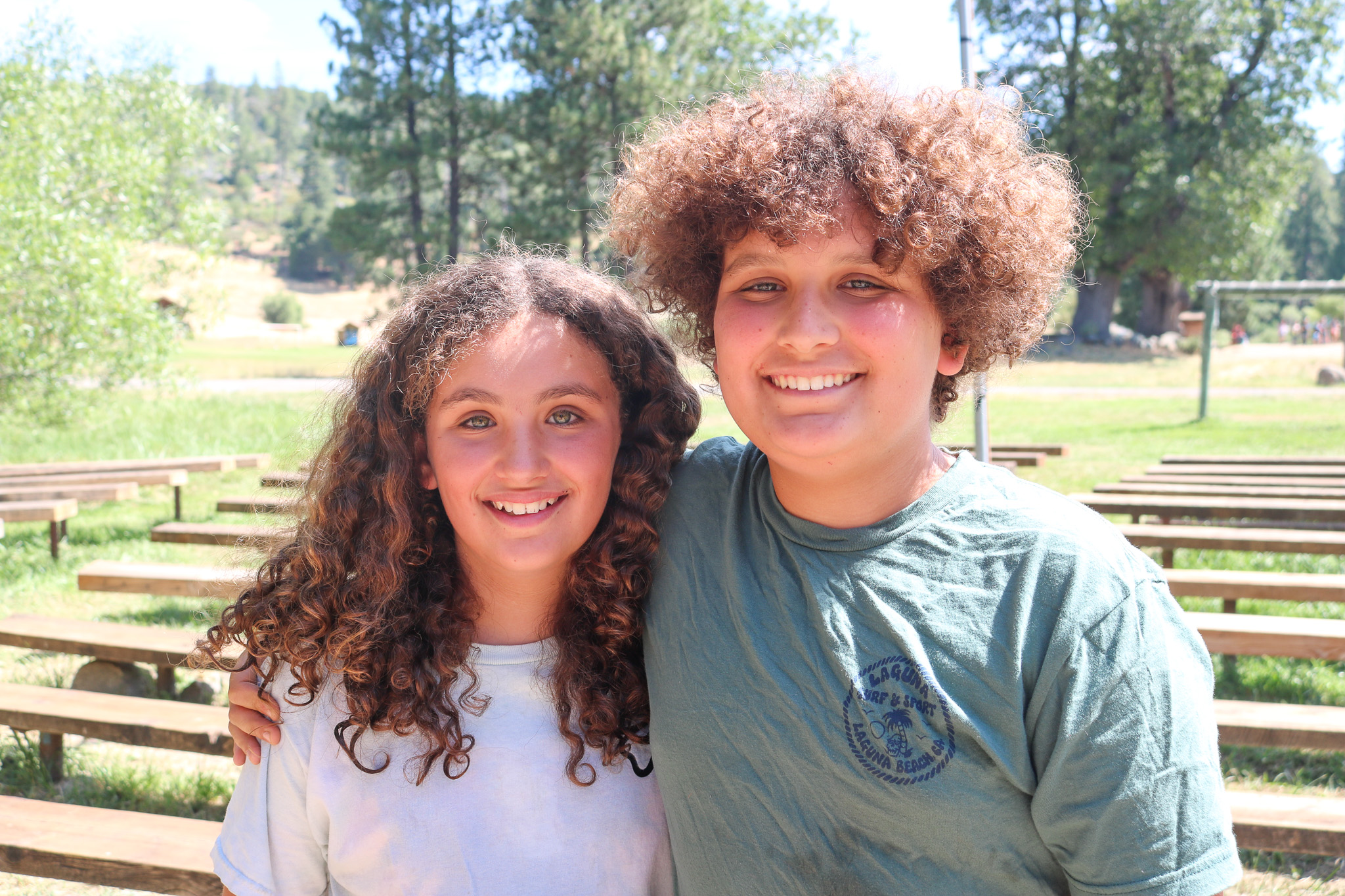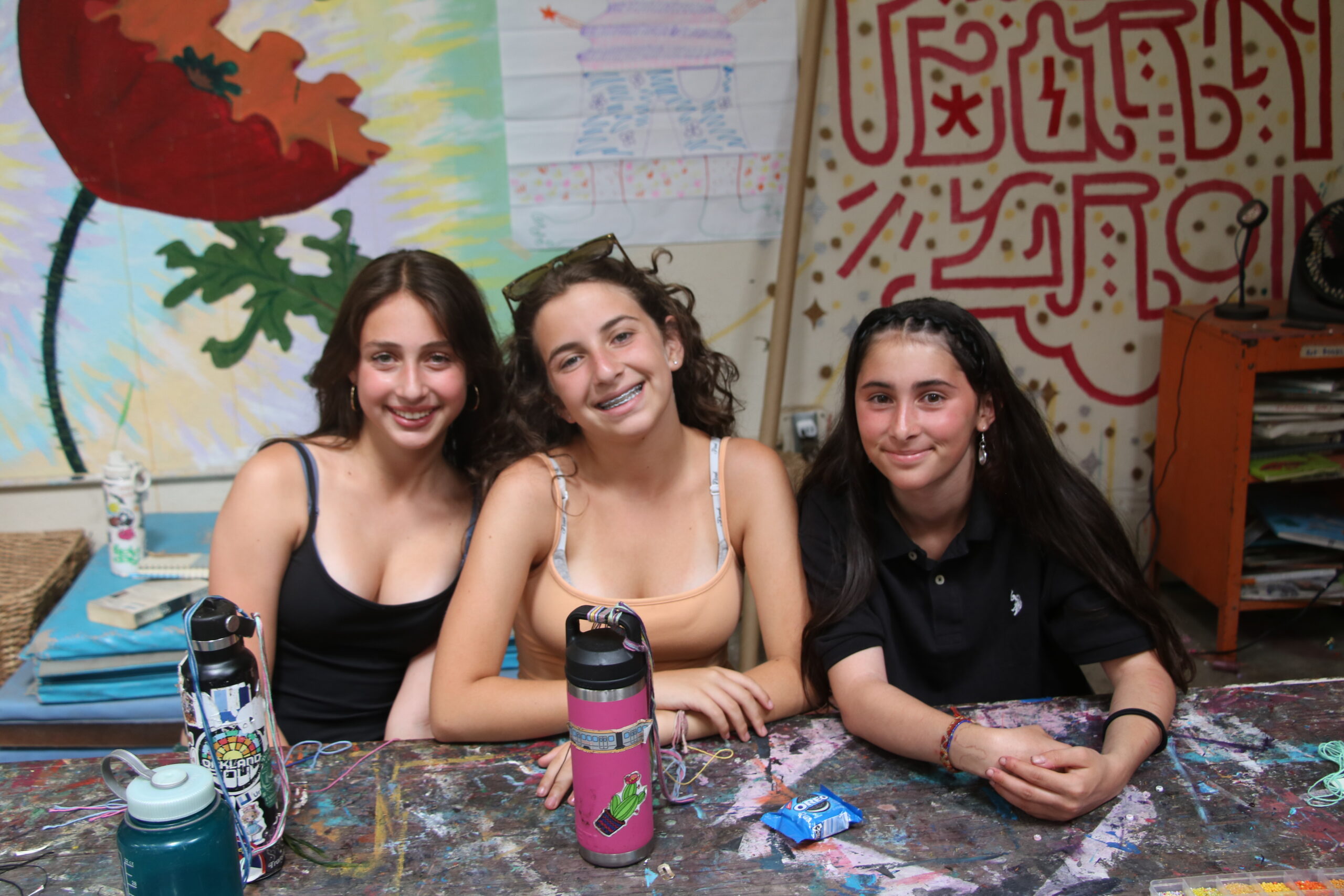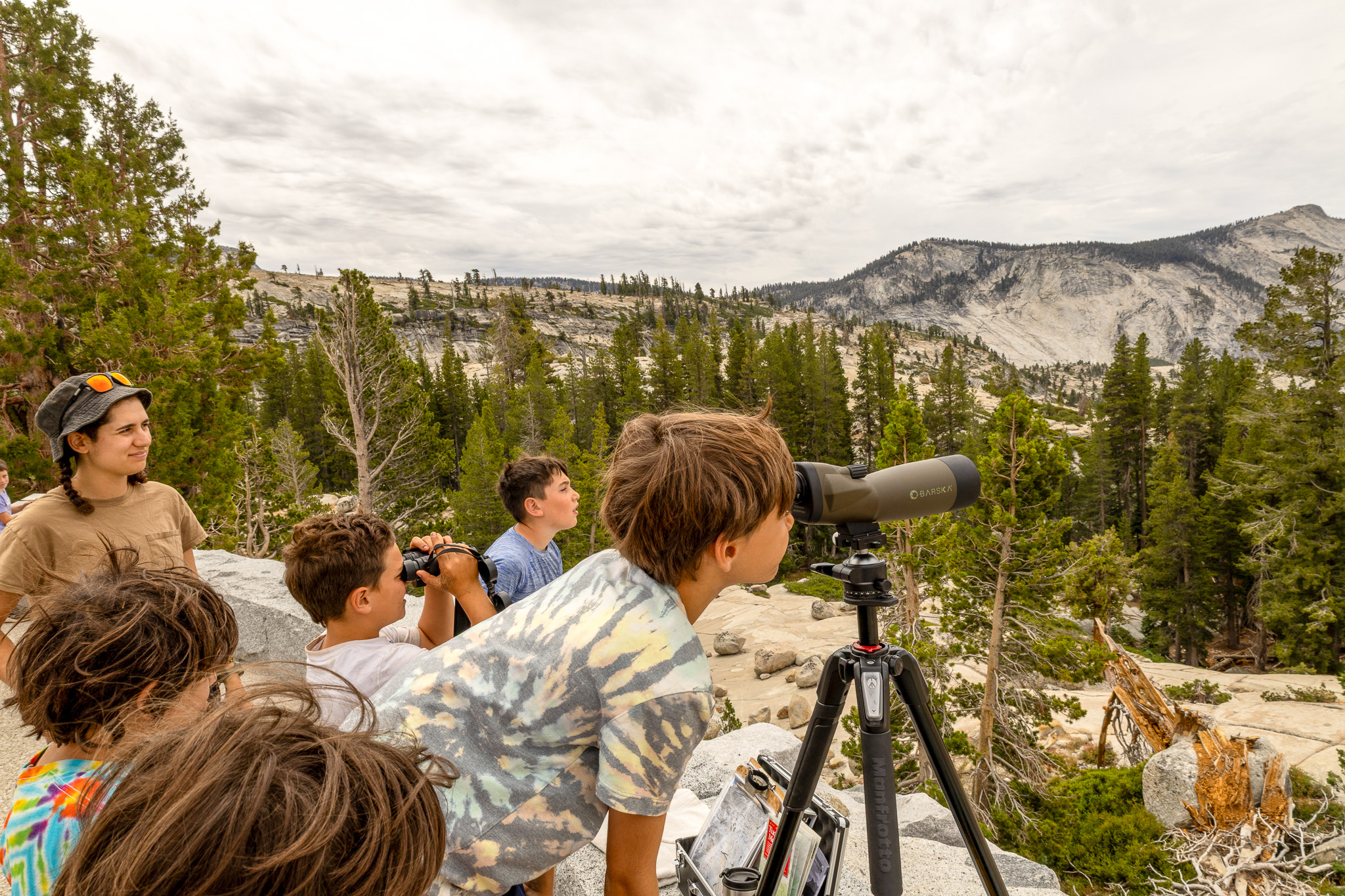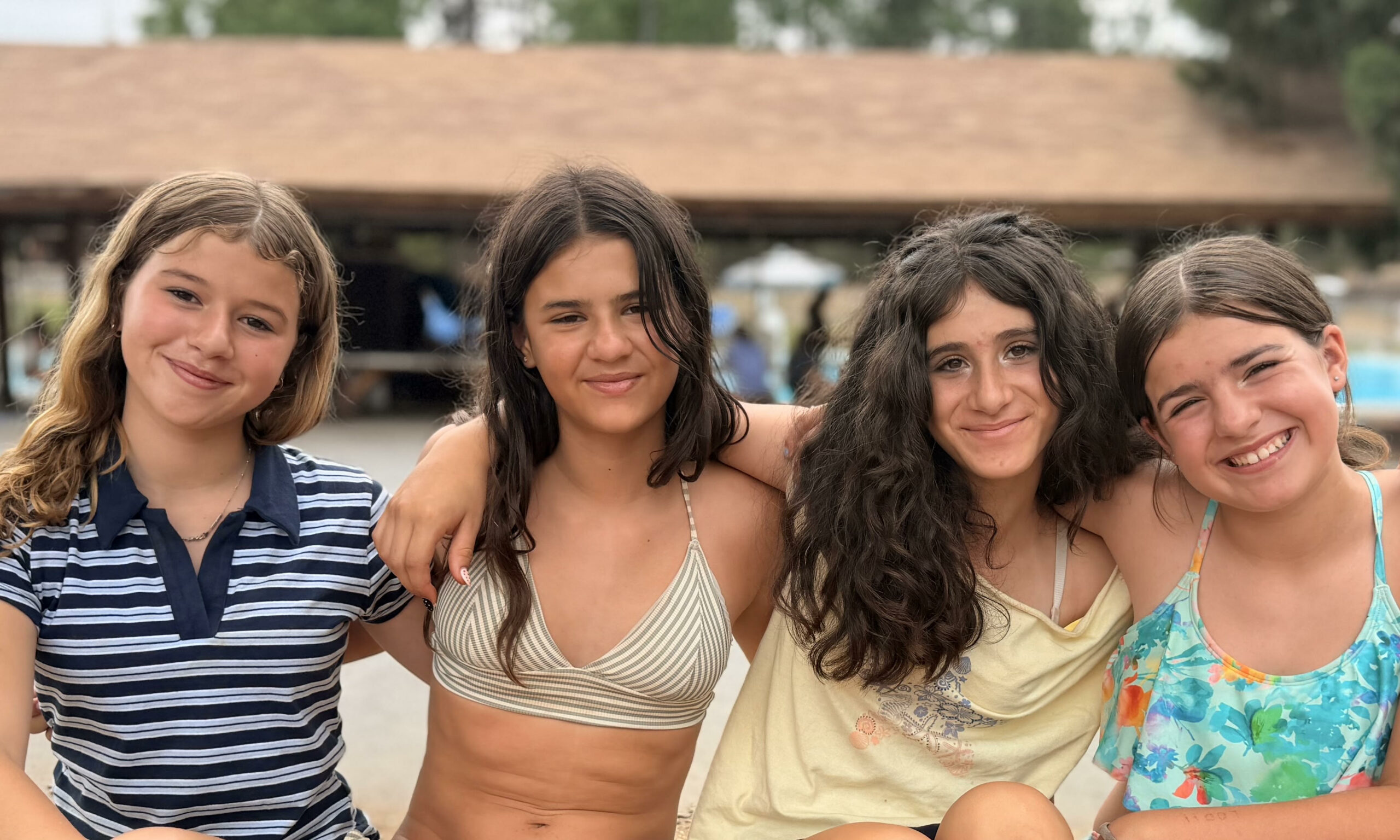
We’re off to a beautiful start to the final week of Session 3. On Friday, we bid a bittersweet farewell to our Session 3a campers, who brought so much heart to Tawonga as our youngest campers in the Carmel unit. As they headed home, the rhythm of Camp gently shifted into a truly magical Shabbat, grounding us in community and connection.
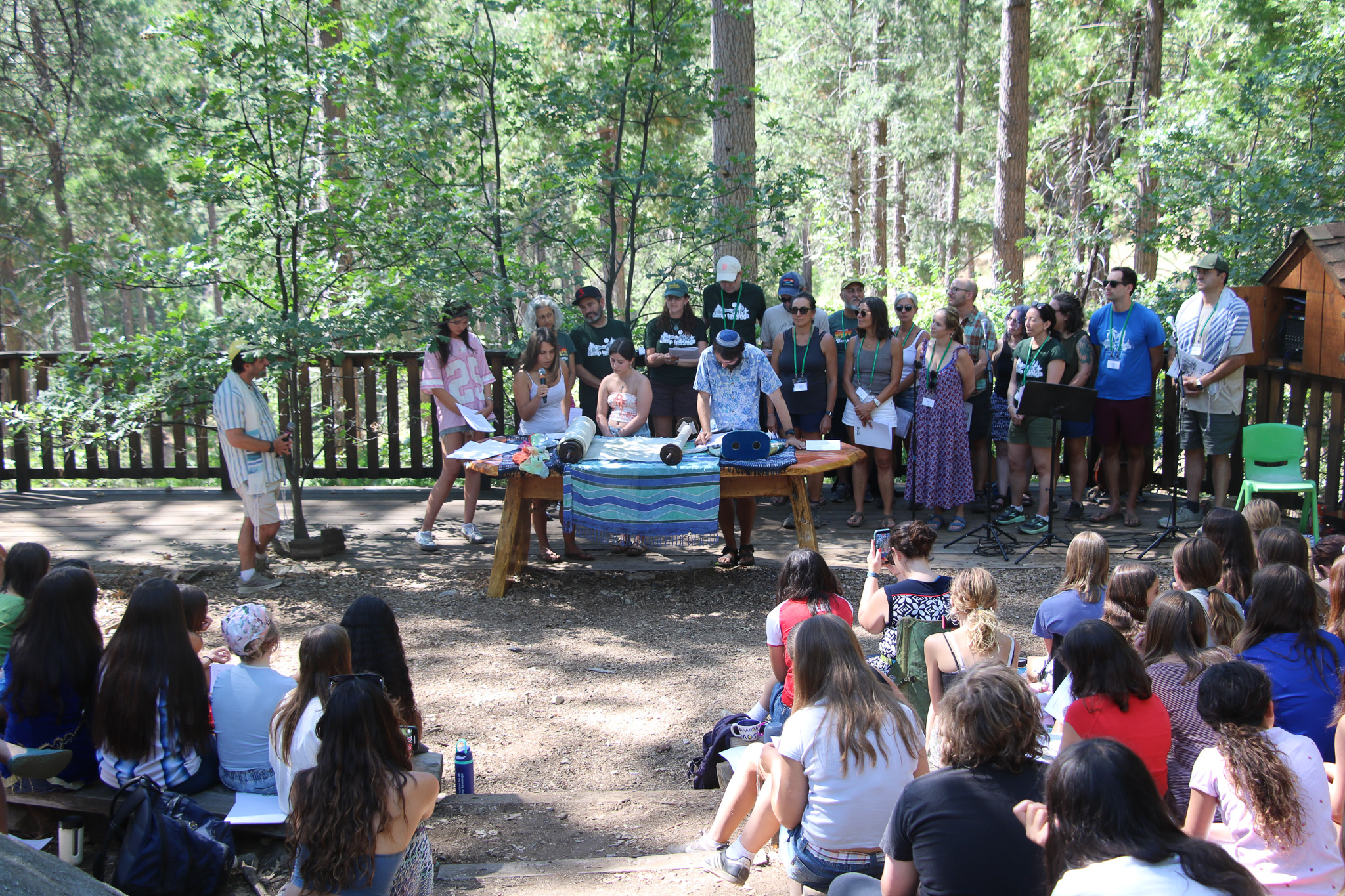
We were honored to welcome our incredible Board of Directors for Shabbat, an inspiring group of volunteers who help guide Tawonga all year long. Freilach dancing on the lawn after dinner was especially spirited, with Gavin, our Summertime Assistant Director, on the drums and Natalie, our year-round Communications Specialist playing the saxophone – an unforgettable soundtrack as the sun dipped behind the trees. Surrounded by the beauty of the Sierra, Shabbat reminds us to pause, notice the wonder of creation, and simply be present with one another.
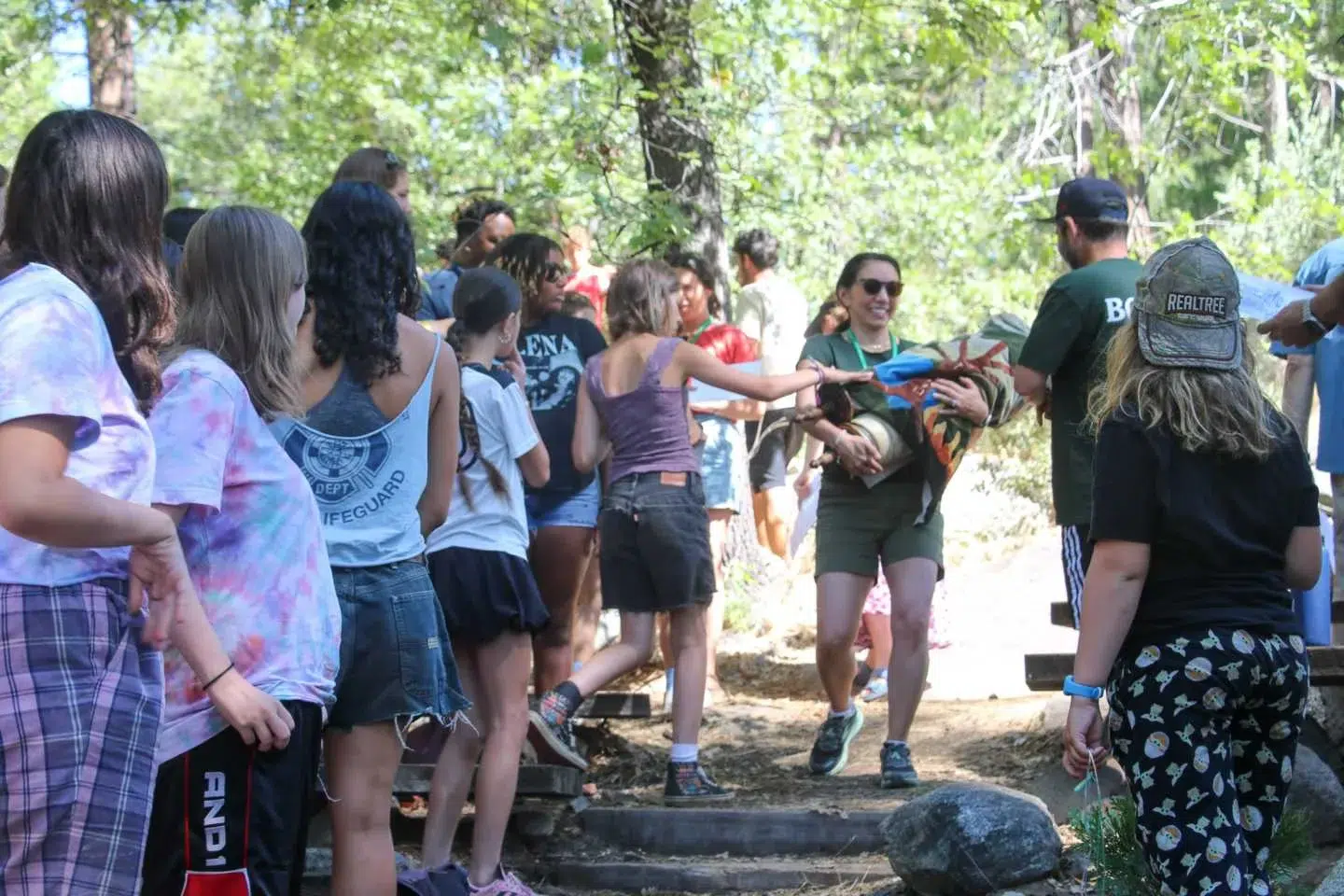
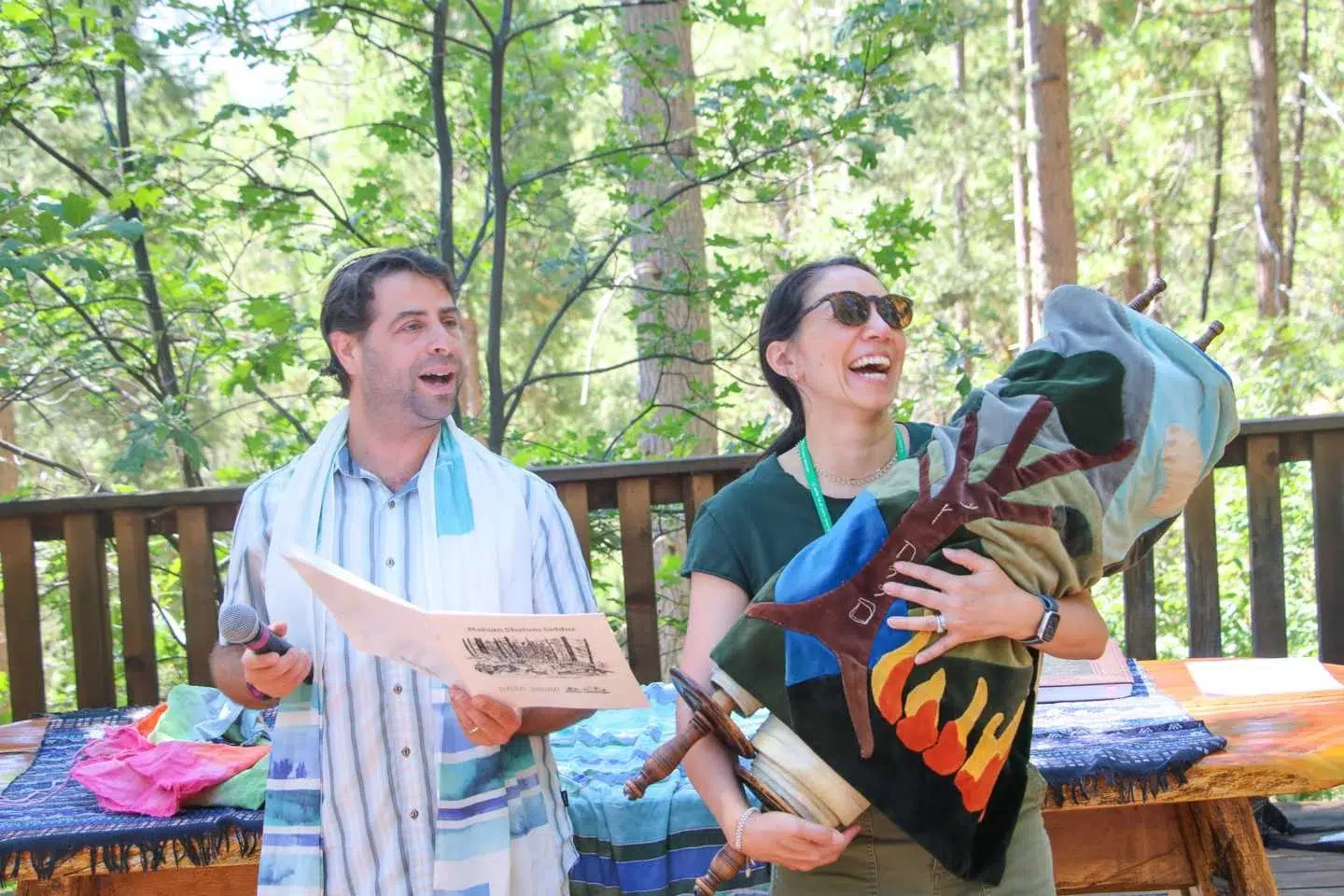
The following morning’s Torah service was especially moving, with a World Cup theme that campers immediately connected to. On Sunday, our International Dinner carried on a beloved Tawonga tradition, celebrating cultures and community through food and festivity.
Meanwhile, across Camp, the challenge course is in full swing, the Garden Kitchen is cooking up daily treats, and campers are cooling off in the pristine Tuolumne. These shared experiences are deepening connections and strengthening bunk bonds in lasting ways. Below, take a closer look into a cherished Tawonga tradition: our backpacking program.
Spotlight on Backpacking
For some campers, the idea of backpacking can feel intimidating. But Wild Leader Kat H. said the experience can be especially transformative for campers who aren’t initially excited about their trip.
“During this session, one bunk offered final reflections that were really positive towards backpacking,” Kat said. “They shared, ‘I didn’t realize backpacking could be fun and chill, and you don’t need to necessarily go super far into the backcountry to experience some untouched solitude outside.’”
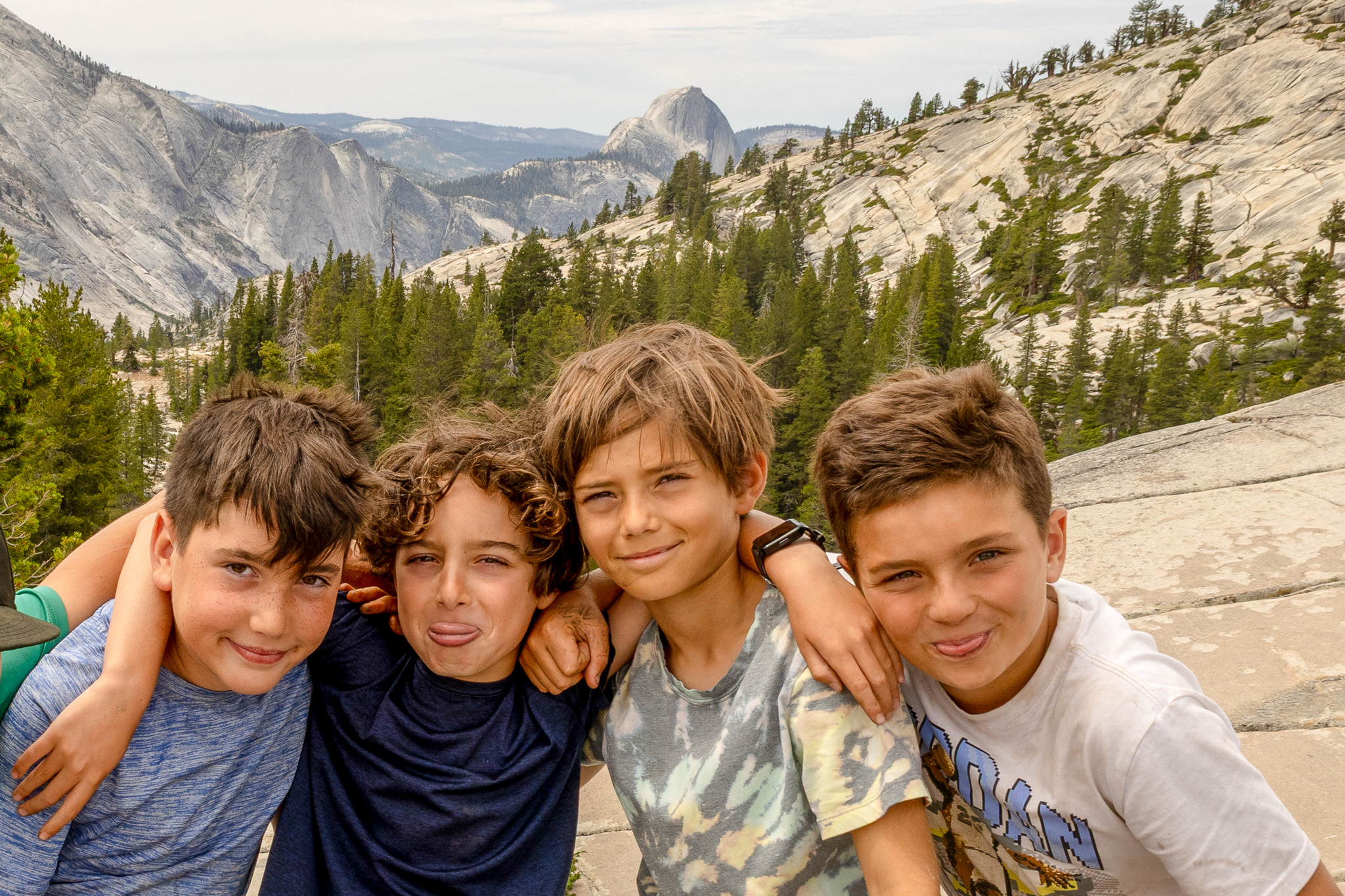
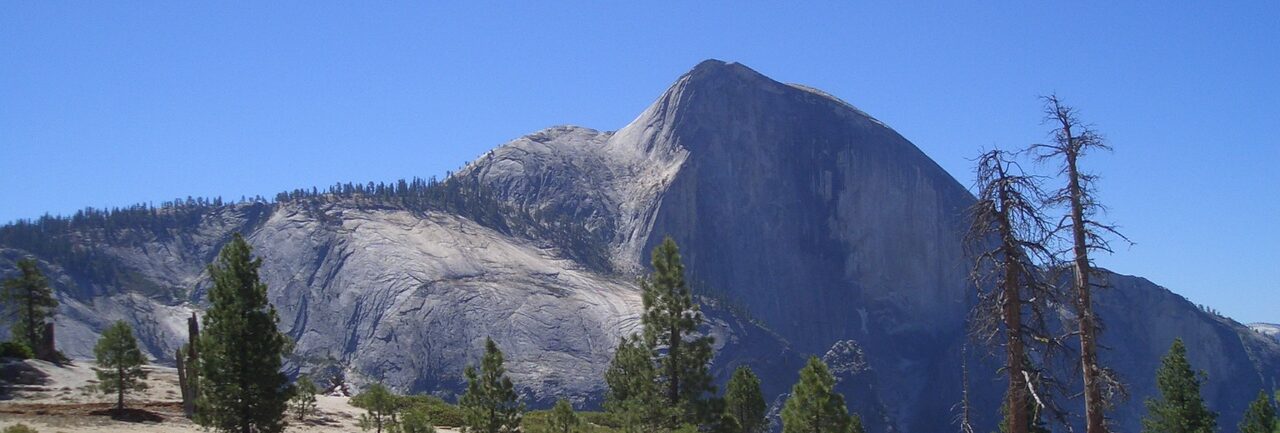
This session, and during all of our two- and three- week sessions, campers have the unique opportunity to leave Tawonga’s property and venture into the majestic wilderness of Yosemite National Park and Stanislaus National Forest. Session 3 locations have included breathtaking destinations like Kibbie Lake, Tamarack Creek, Early Intake, May Lake, Glen Aulin, Cathedral Lakes, Ten Lakes, Rancheria Falls, Ostrander Lakes, and Chilnualna Falls.
These one and two-night trips are a hallmark of the Tawonga experience. They blend adventure, community, skill-building, and a deep appreciation for the natural world. Judaism teaches us to be caretakers of the earth, and there’s no better classroom than the wilderness itself. Surrounded by towering granite peaks, alpine lakes, and ancient forests, campers experience firsthand what it means to care for the natural world while recognizing that they are part of something much larger than themselves.
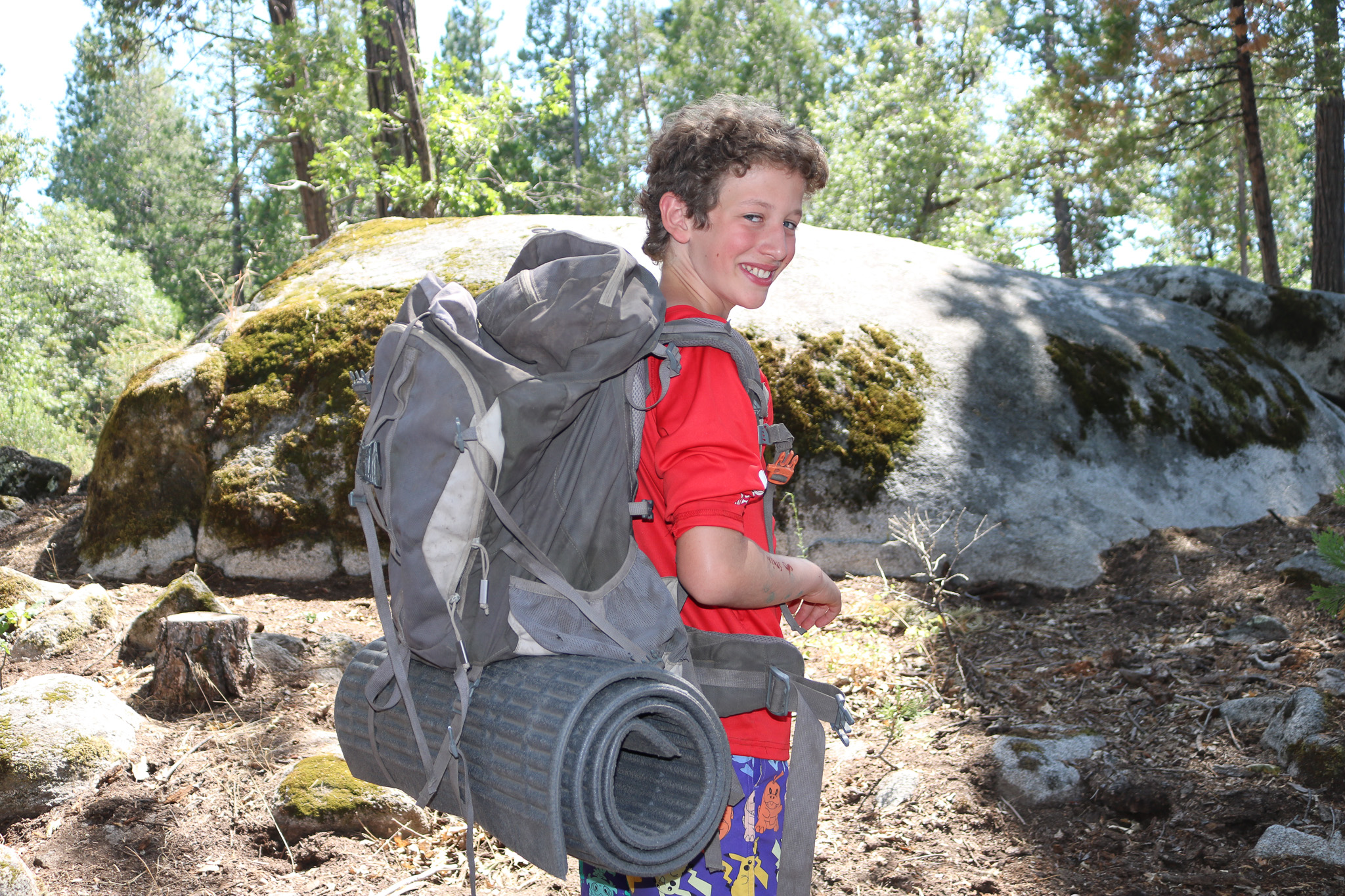
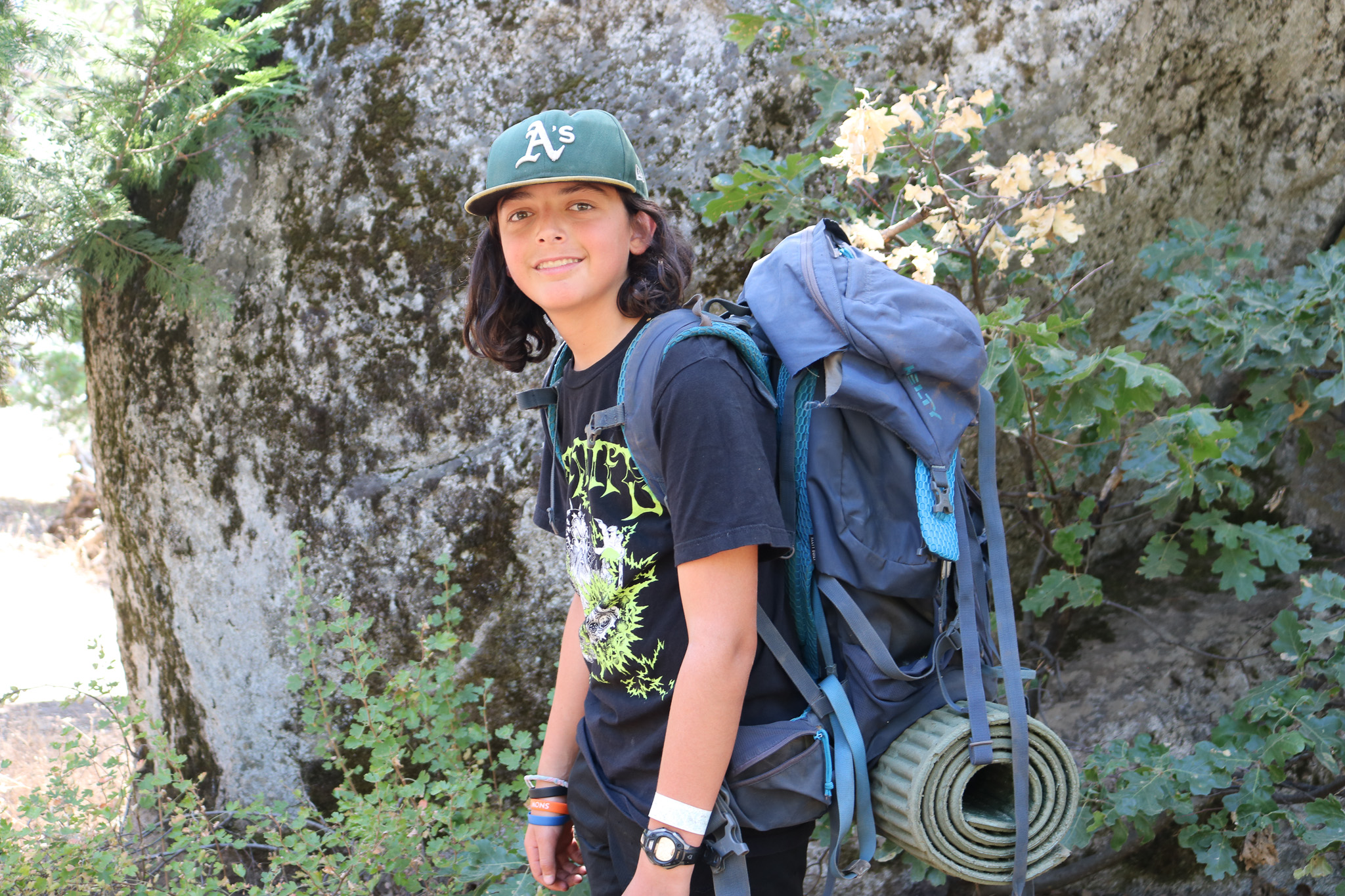
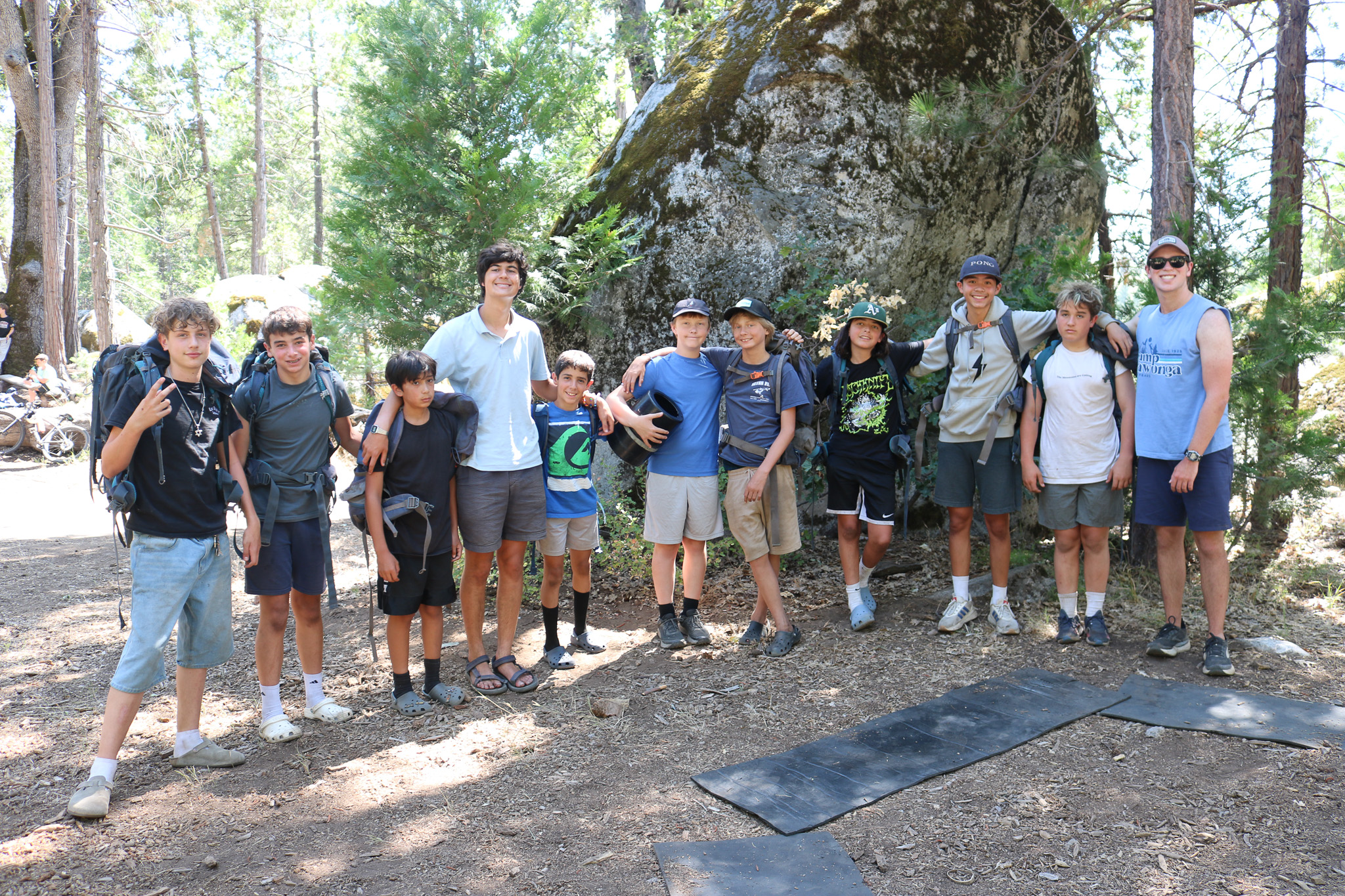
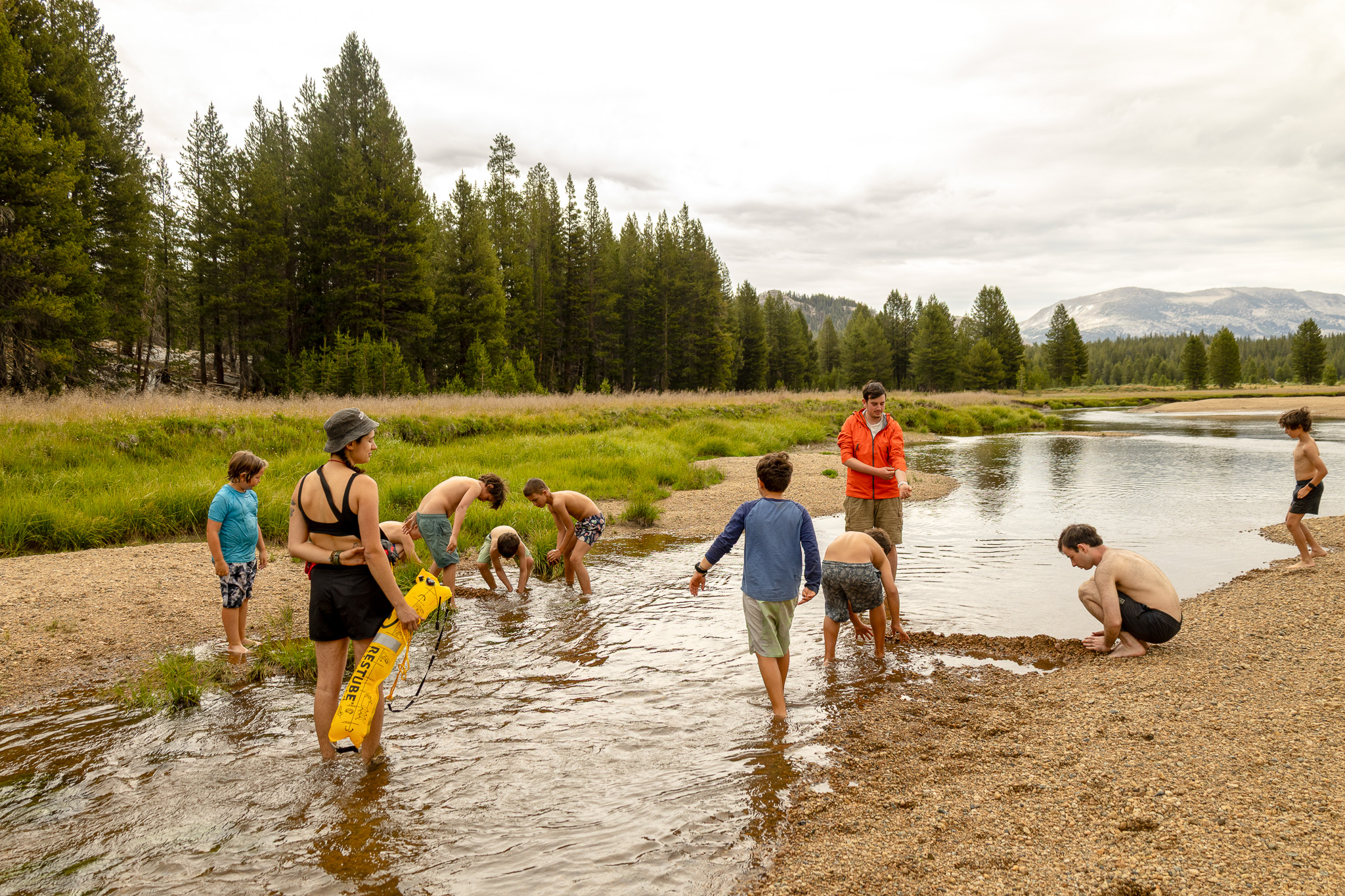
Trips kick off with a scenic drive, followed by a trailhead meetup with Wilderness staff and a day hike toward the campsite. Once there, bunks settle in with lunch, time to swim or explore, and plenty of games and bonding activities. As the sun dips below the trees, campers gather to cook dinner on backpacking stoves and share stories before curling up in sleeping bags — often choosing to sleep directly under the stars.
Backpacking also gives campers the opportunity to disconnect from the online world and discover how much fun they can have with very little. Without screens or the constant pull of technology, campers find new ways to entertain themselves, connect with each other, and get creative.
There is something profoundly Jewish about looking up at a sky filled with stars. For generations, Jewish tradition has invited us to encounter awe in the natural world, to pause in wonder at creation and recognize our place within it. Far from the distractions of everyday life, campers discover moments of quiet reflection that stay with them long after they return home.
On a trip with B-9, campers found discarded fishing line and excitedly worked together to create a makeshift fishing rod, attempting to catch their own dinner.
“We didn’t catch anything, but it was still so fun,” Kat reflected. “They were so happy all day long.”
Camper Jack W. (B-8) shared a similar sentiment while preparing to head out on his backpacking trip. For him, the best part is simply being in nature.
“It teaches you to wait and work hard to get the things you need and want,” he shared.
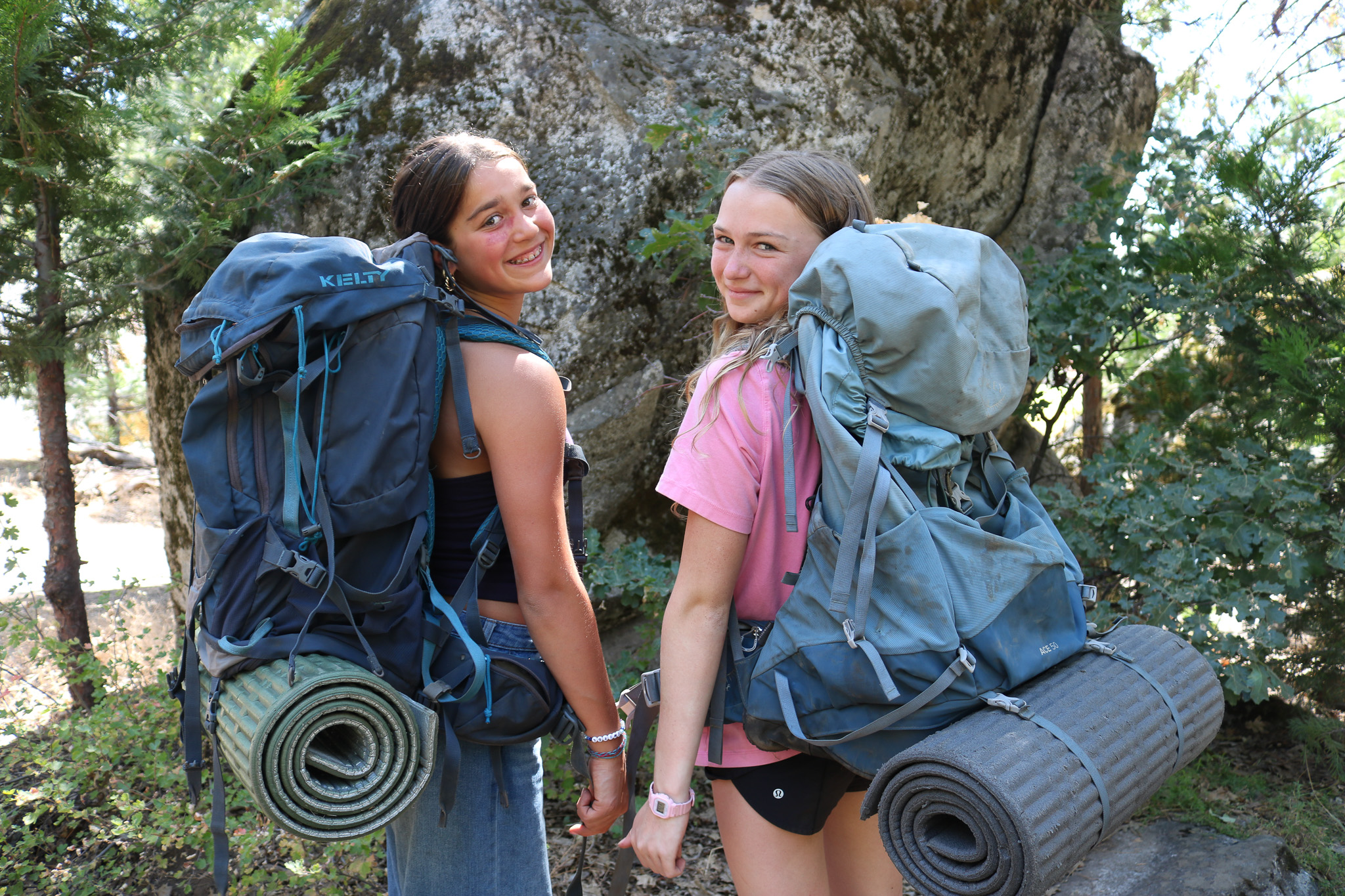
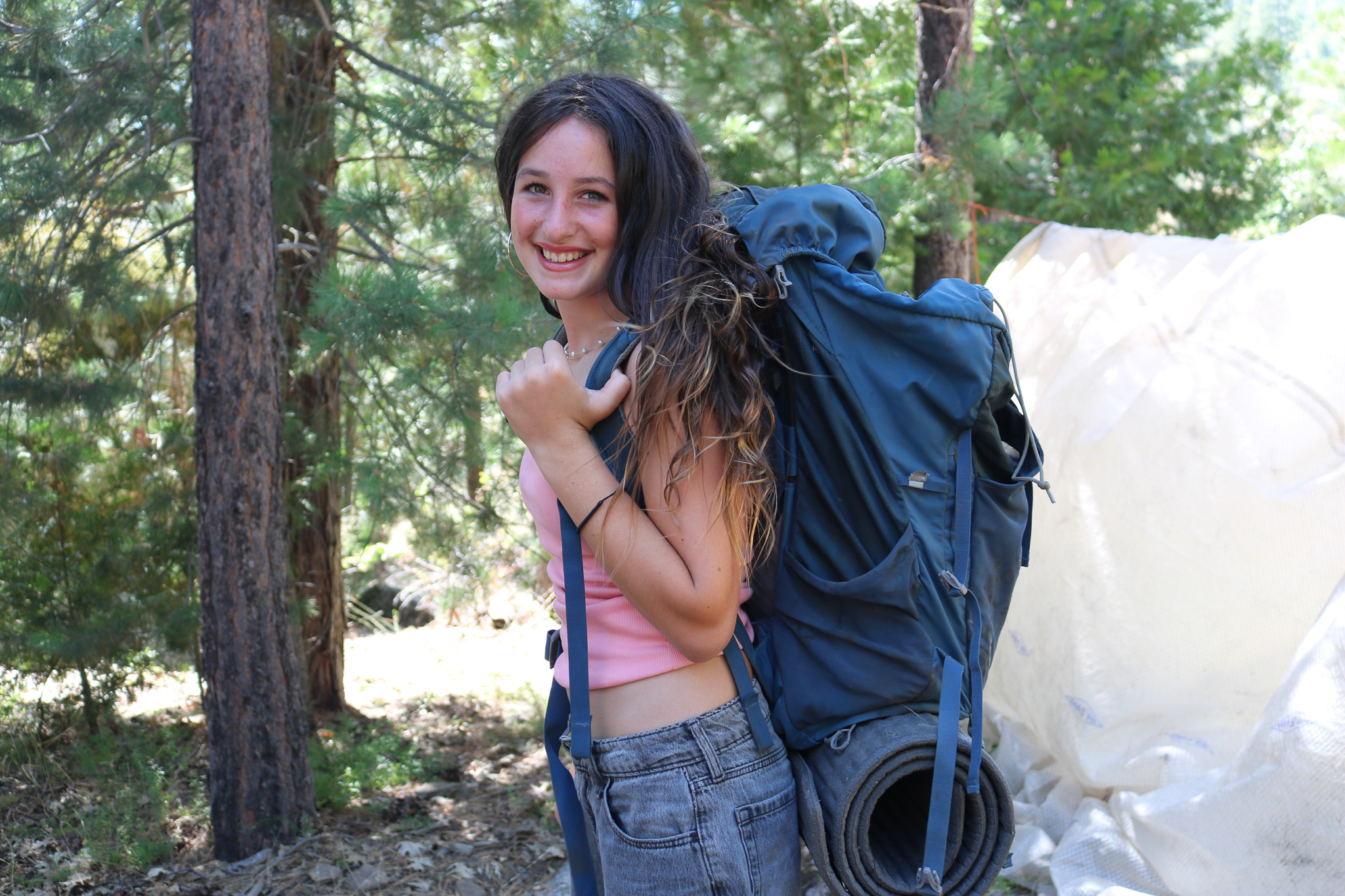
Backpacking also teaches campers the importance of teamwork and independence. Each member of a trip carries something the group needs — from bear cans and water jugs to pots and pans — helping to lighten the load for everyone. At the same time, campers are responsible for carrying their own gear and belongings, learning how to take care of themselves along the way.
Campers also learn principles of “Leave No Trace,” how to respect wildlife, and how to coexist with nature. They return with tired feet, messy hair, full hearts — and a new sense of confidence and independence. Caring for the places we visit reflects the Jewish value of bal tashchit—the responsibility to avoid needless waste and protect the world entrusted to us.
“There is so much that’s empowering about learning to simplify things,” she said. “You really don’t need much to have a really positive experience and to connect with each other.”
Kat said these lessons are at the heart of what Tawonga does best.
“Tawonga has a really unique backpacking and wilderness program,” Kat said. “I feel really strongly about it aligning perfectly with Tawonga’s larger values. Backpacking trips and the Quest trips really do hit on cultivating community, understanding our relationship with nature, and building confidence.”
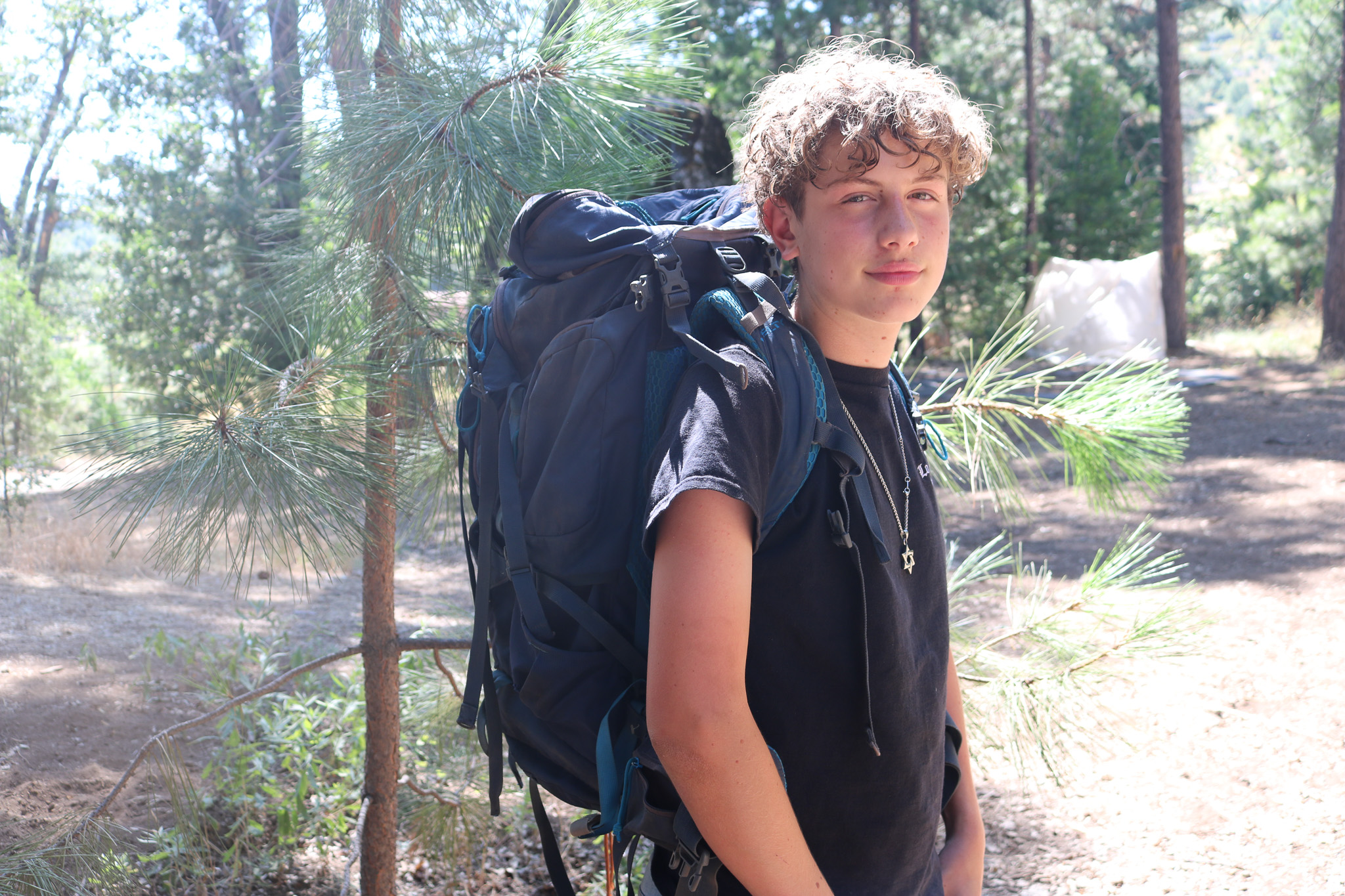
For many campers, backpacking is a moment of discovery: the first time they carry all their gear on their back, sleep under the stars without city lights, or hike further than they thought they could. It’s where resilience is built and friendships are cemented over granola bars, shared camp chores, and the simple joy of being together in the wilderness.
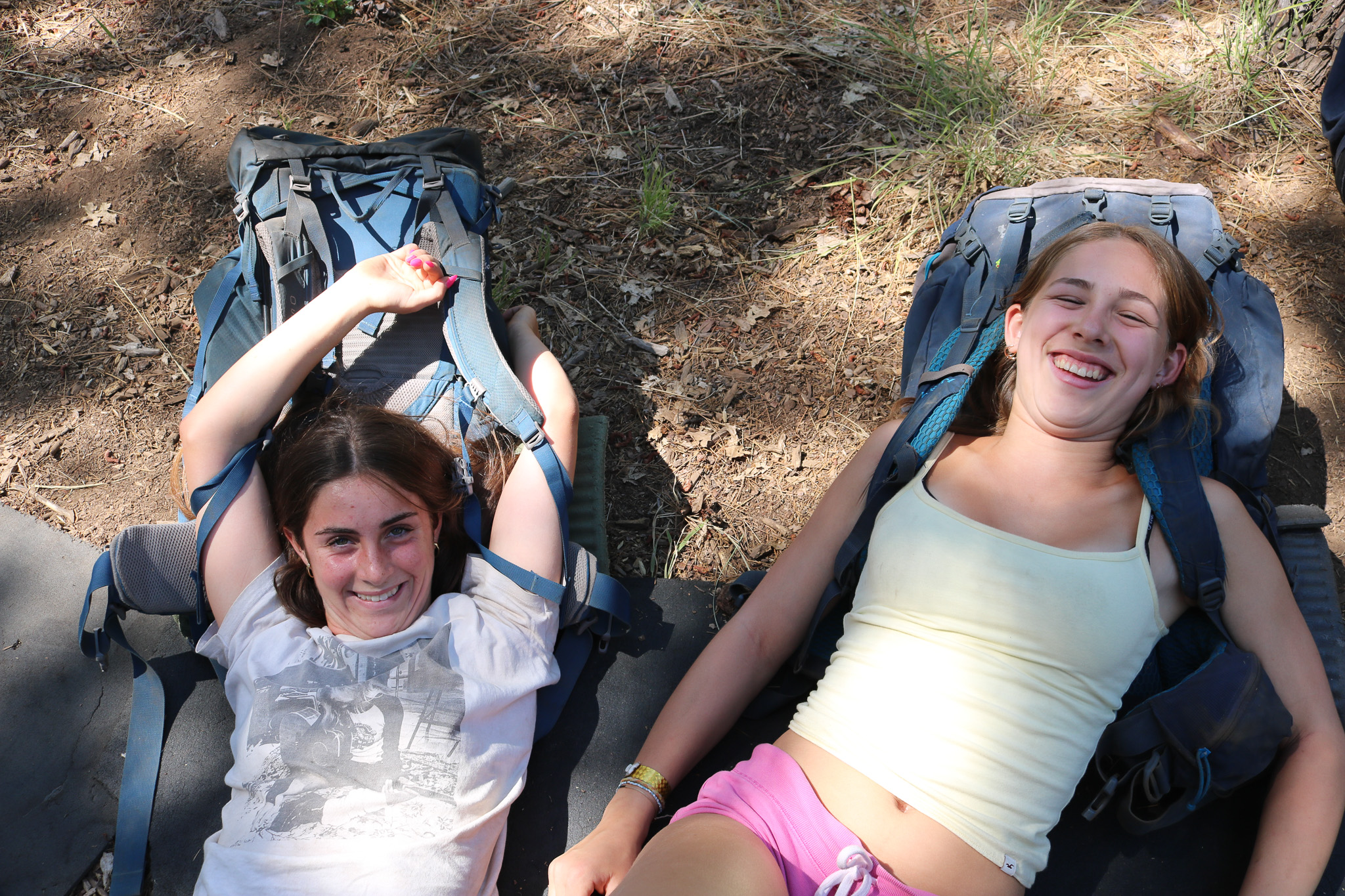
As campers return from their trips — sun-kissed and smiling — they bring stories, inside jokes, and memories that stretch far beyond the trail. Back at Camp, they’re greeted by their bunkmates and launch right back into the rhythm of Tawonga life — a little dustier, a little stronger, and a lot more connected to the earth beneath their feet.