By: Aaron Mandel
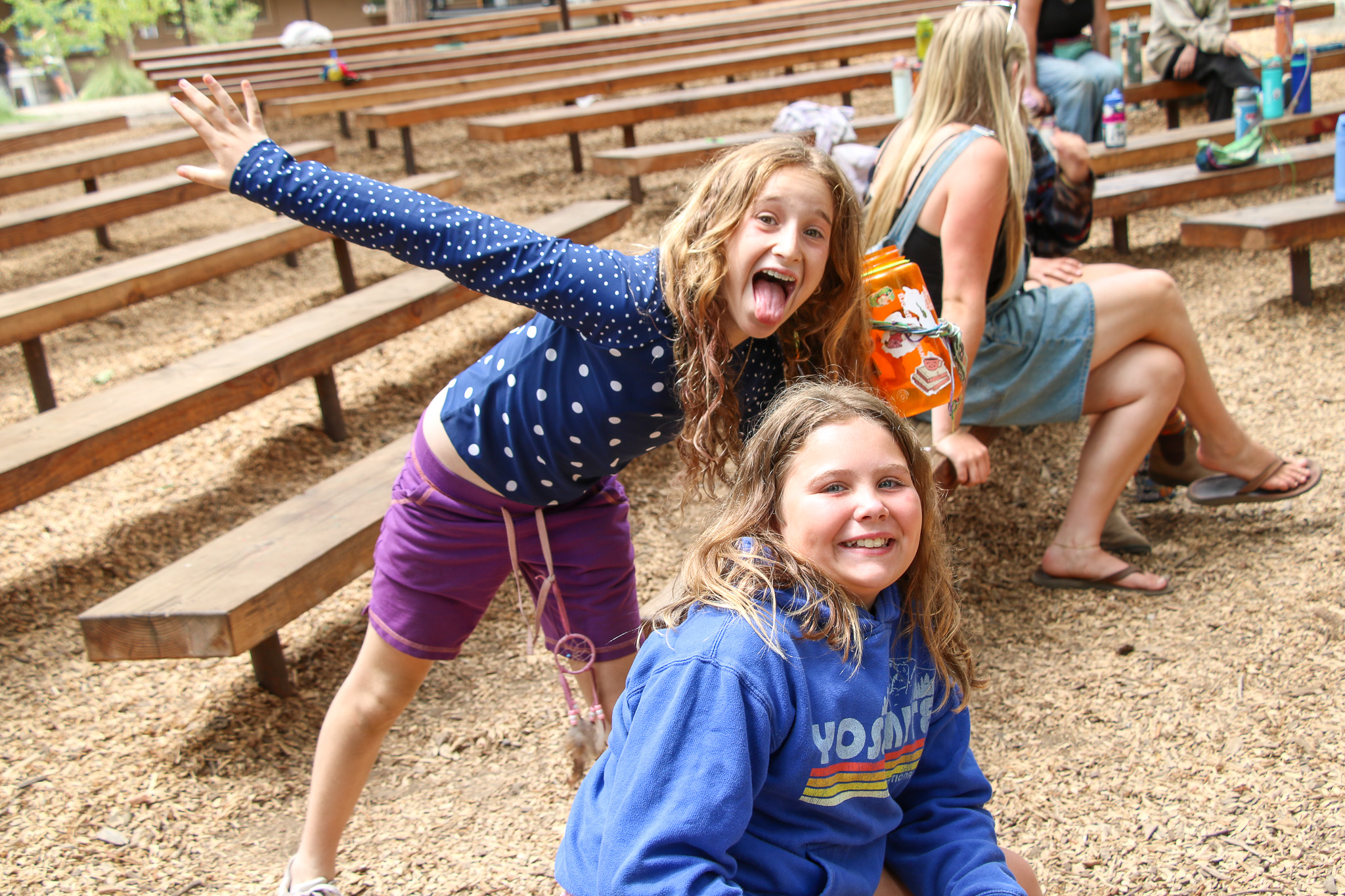
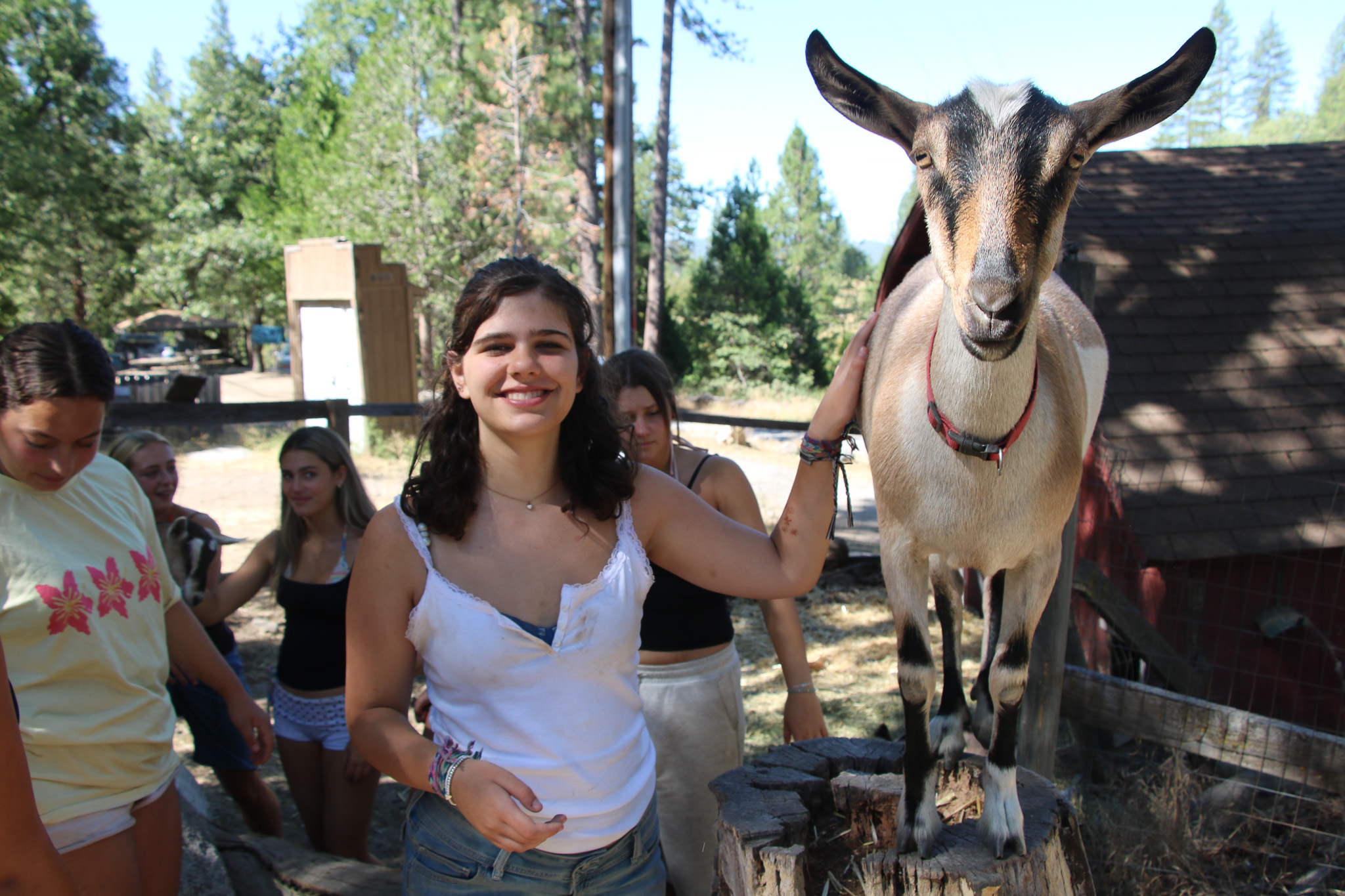
It’s bittersweet knowing our final week together has arrived. Three weeks can seem like such a short amount of time, yet here at Camp Tawonga, it’s remarkable how much can happen. Friendships deepen. Confidence grows. Campers discover strengths they didn’t know they had. And together, we create a community that feels both joyful and deeply rooted.
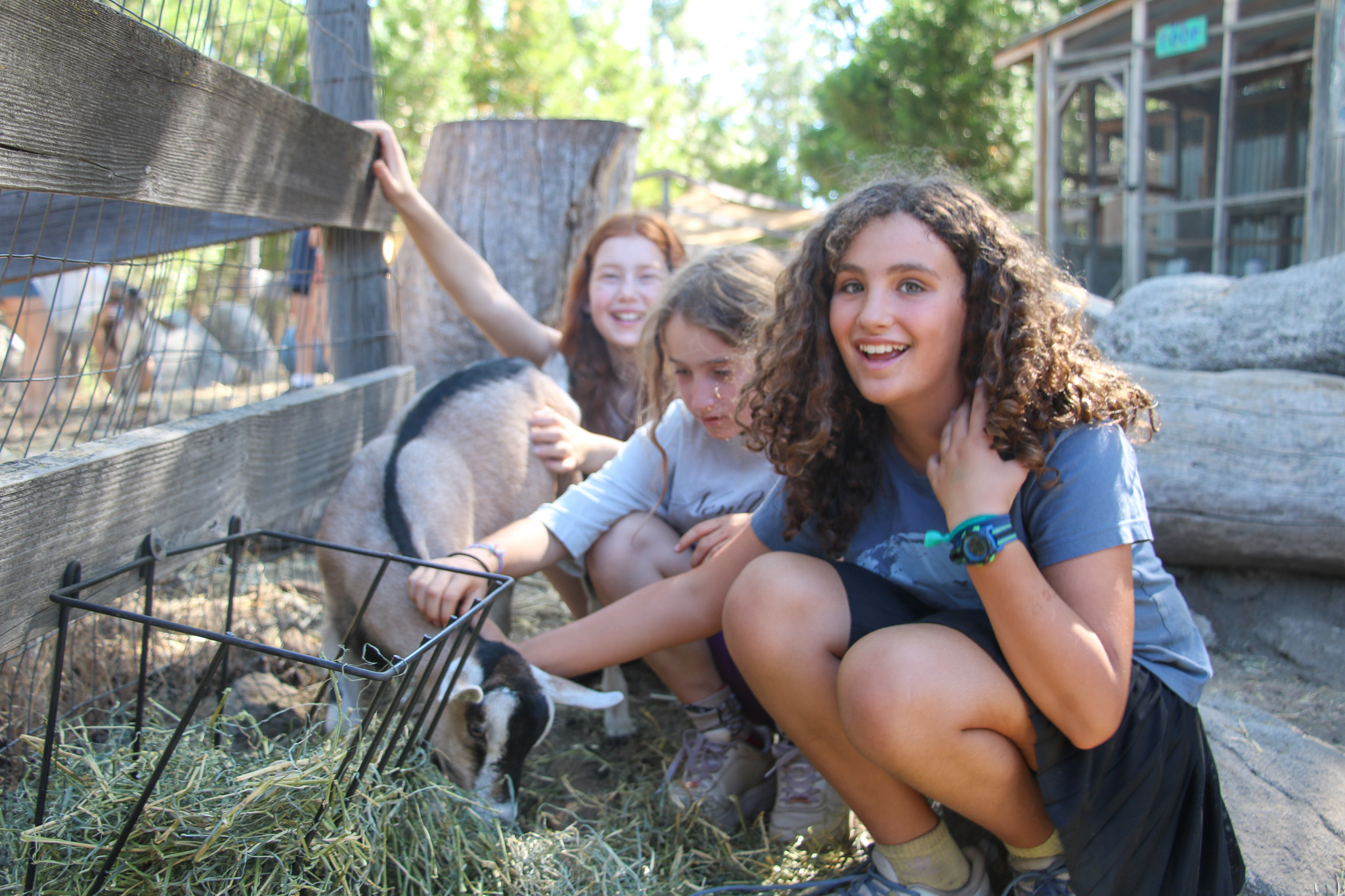
There’s something uniquely special about a classic three-week Tawonga session. Removed from the pressures and distractions of everyday life, campers have the opportunity to settle into a rhythm that is increasingly rare for young people today. Surrounded by caring counselors, supportive friends and the beauty of the Sierra Nevada, they have the time and space to simply be kids.
I see these three weeks as a gift. They’re a chance for campers to fill themselves up with friendships, adventure, Jewish community and a deeper sense of who they are. My hope is that those experiences become something they carry with them throughout the other 49 weeks of the year.
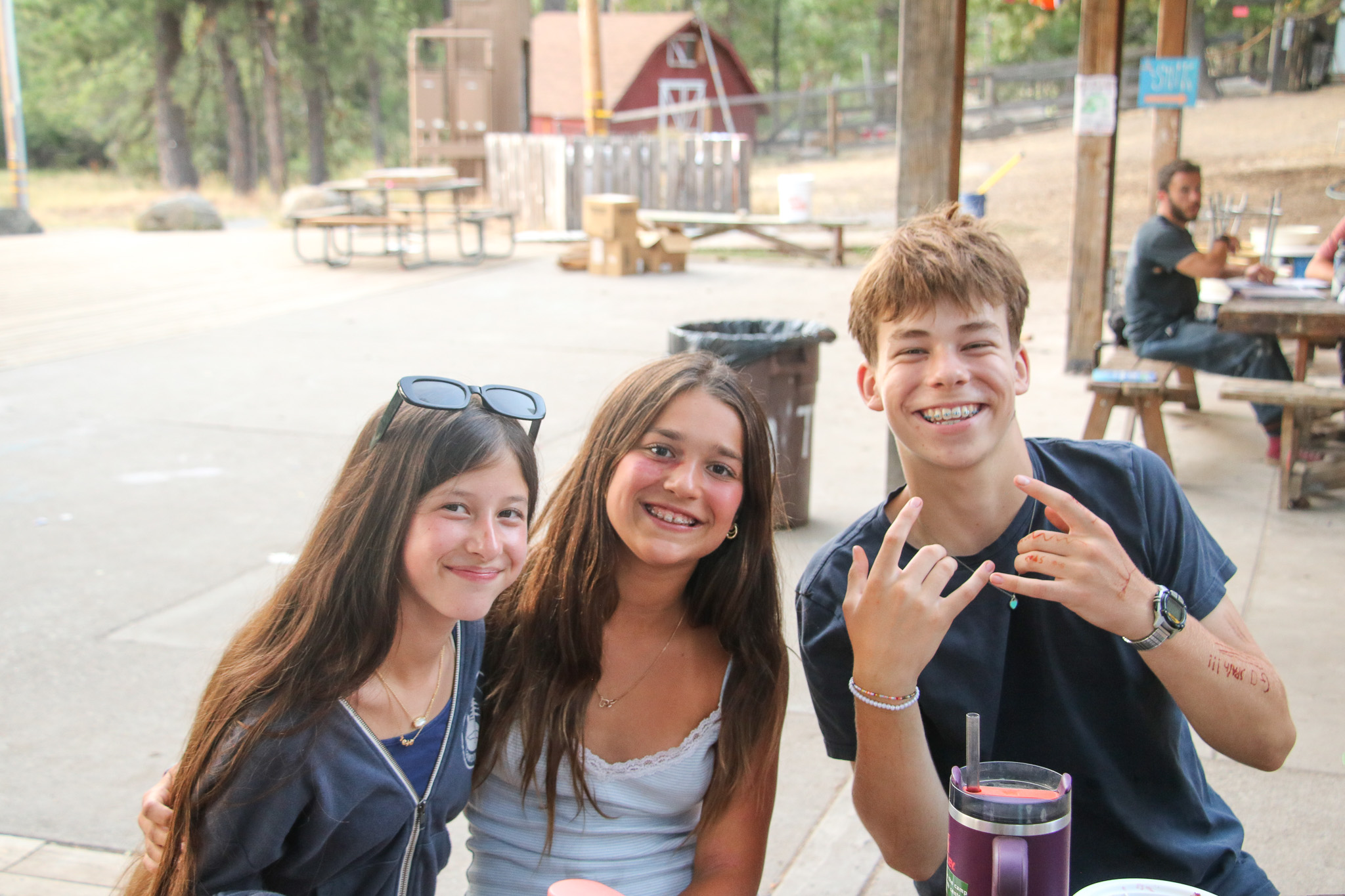
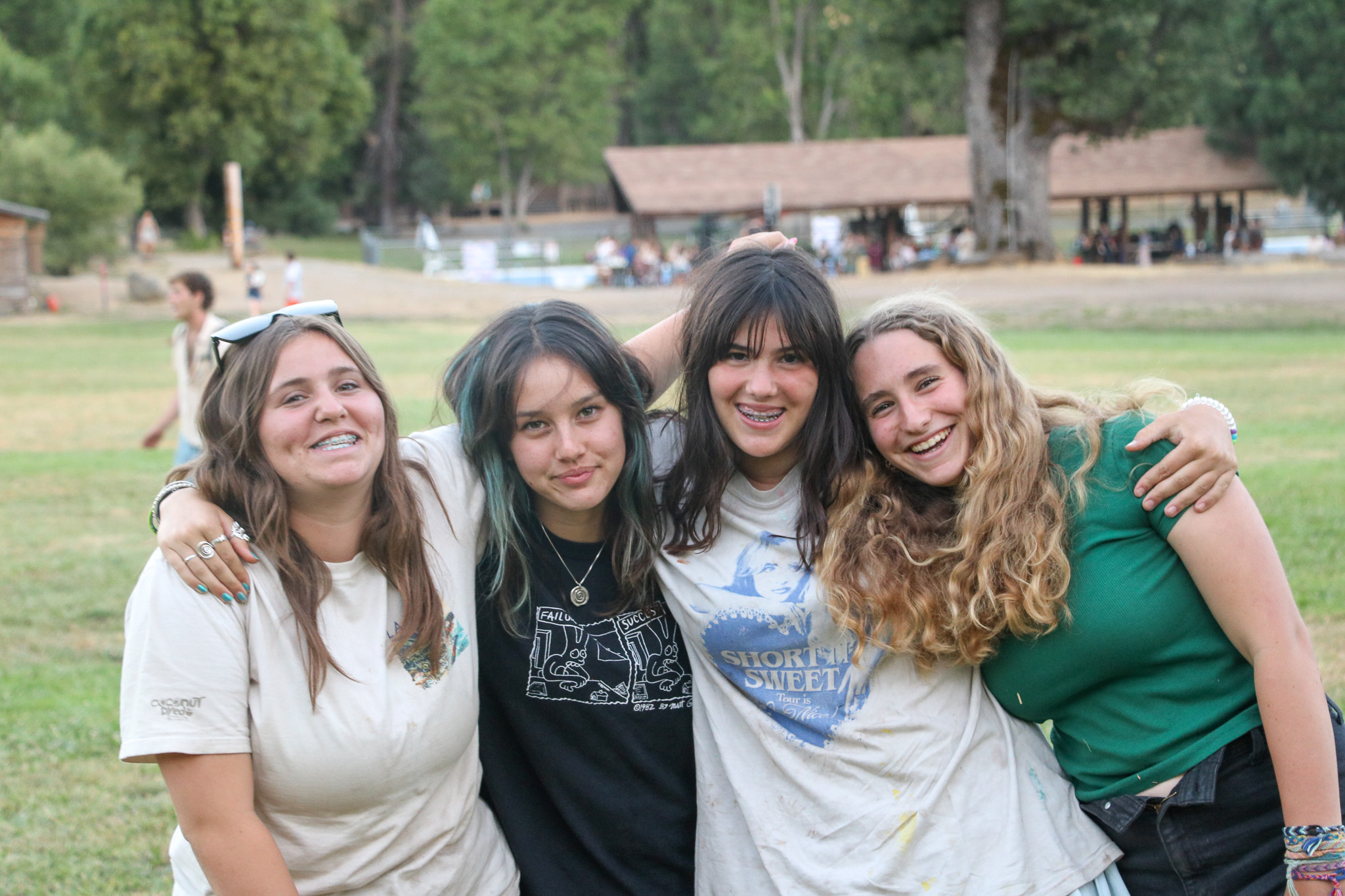
Here’s a glimpse of how I’ve watched our Session 3 campers grow.
Time to Grow
One of the greatest gifts of a three-week session is simply having enough time.
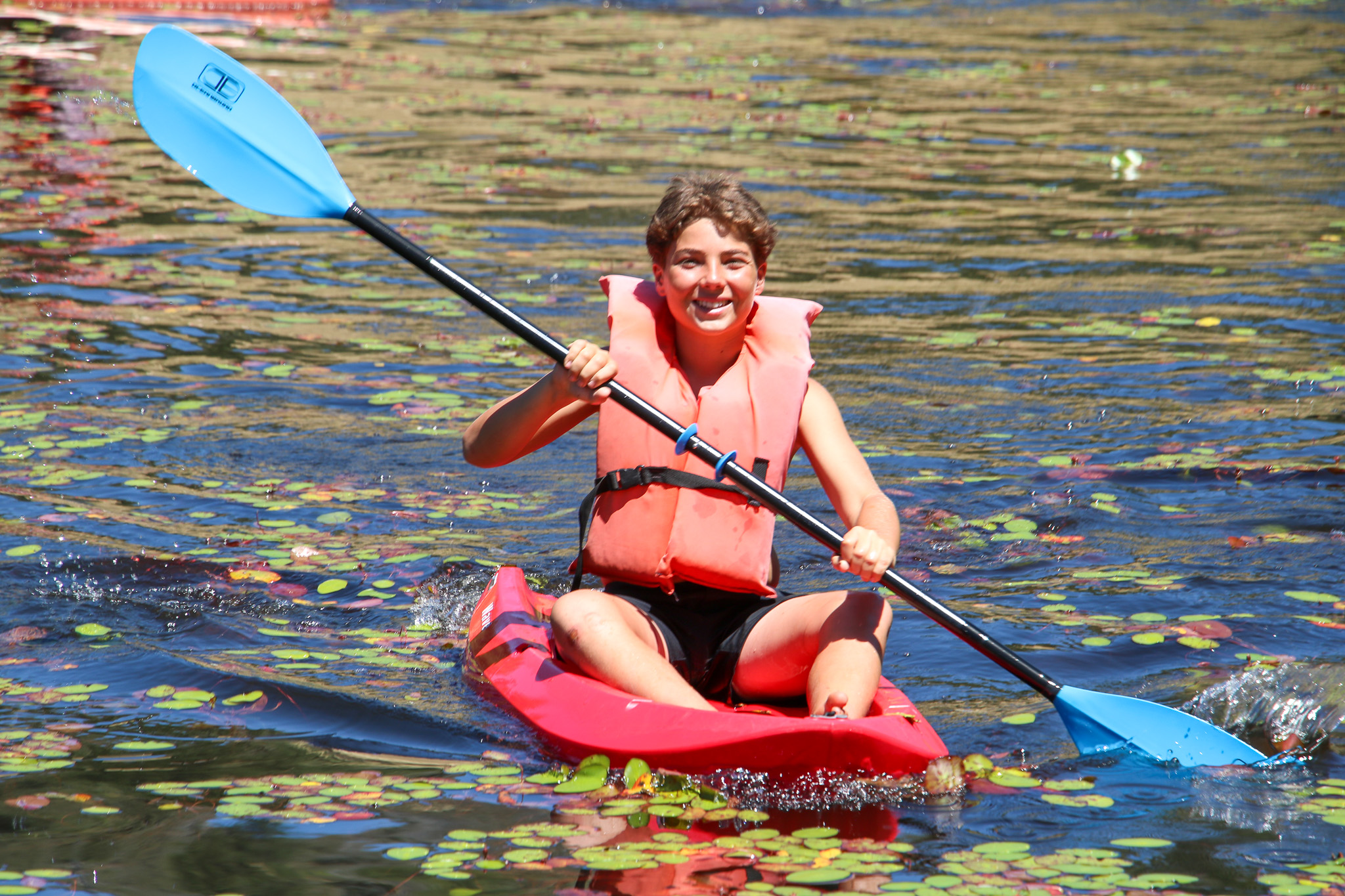
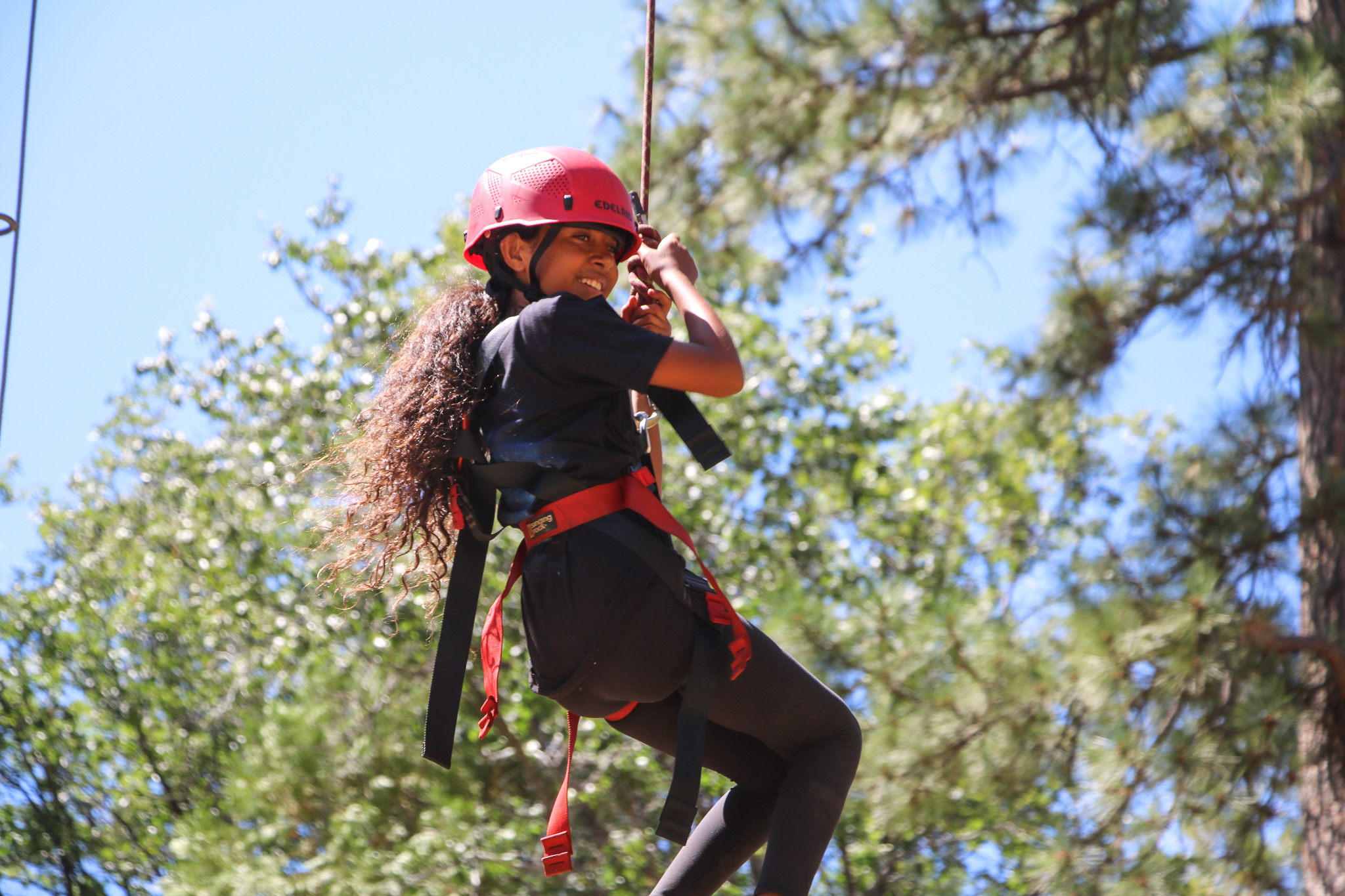
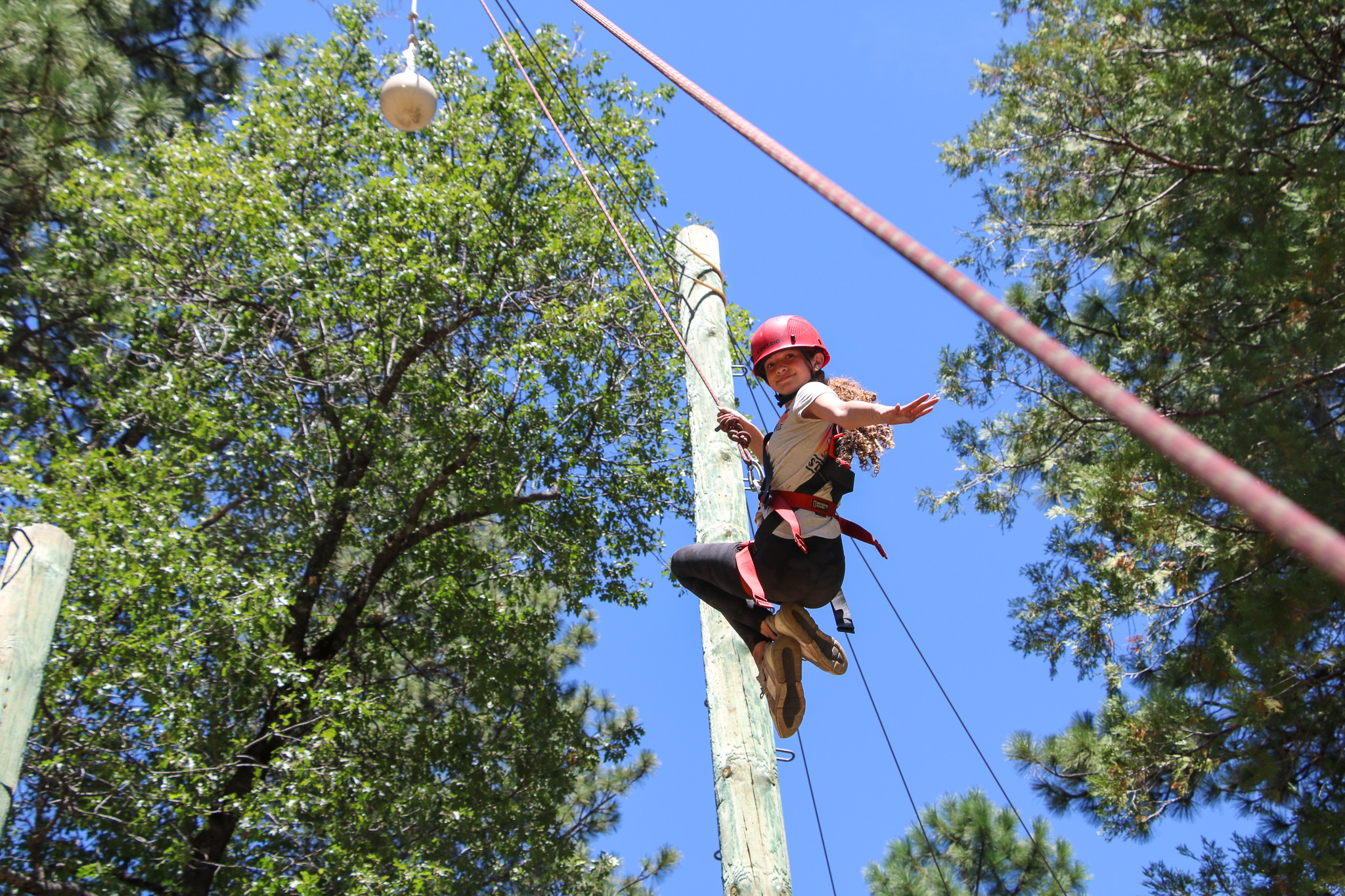
Unlike a shorter session, campers don’t just sample Camp – they settle into it. As friendships grow stronger and counselors get to know each camper more deeply, we can tailor experiences to what each bunk needs most. Midway through the session, counselors create a new schedule with input from campers, allowing them to revisit favorite activities, dive deeper into new interests and challenge themselves in meaningful ways.
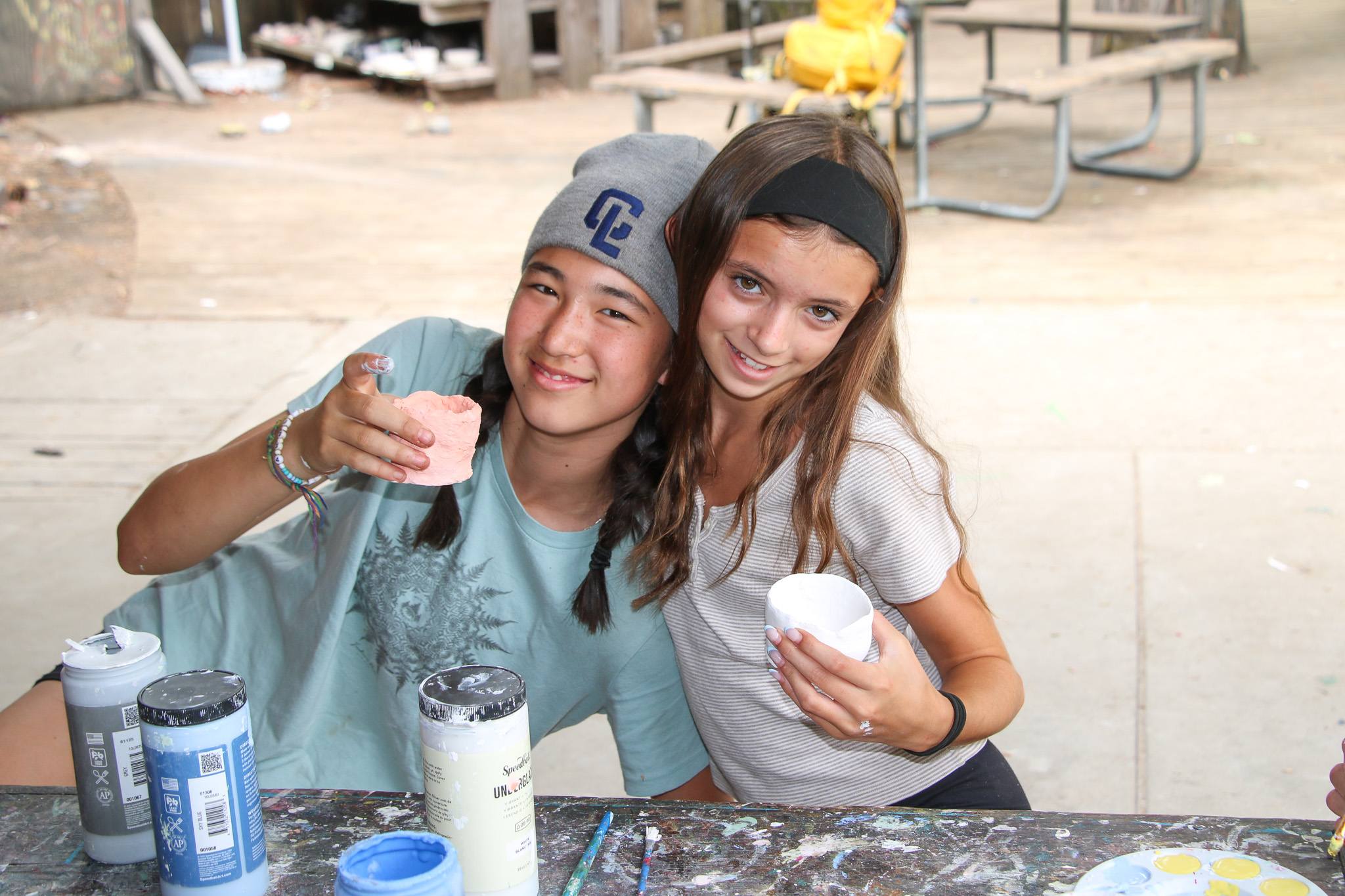
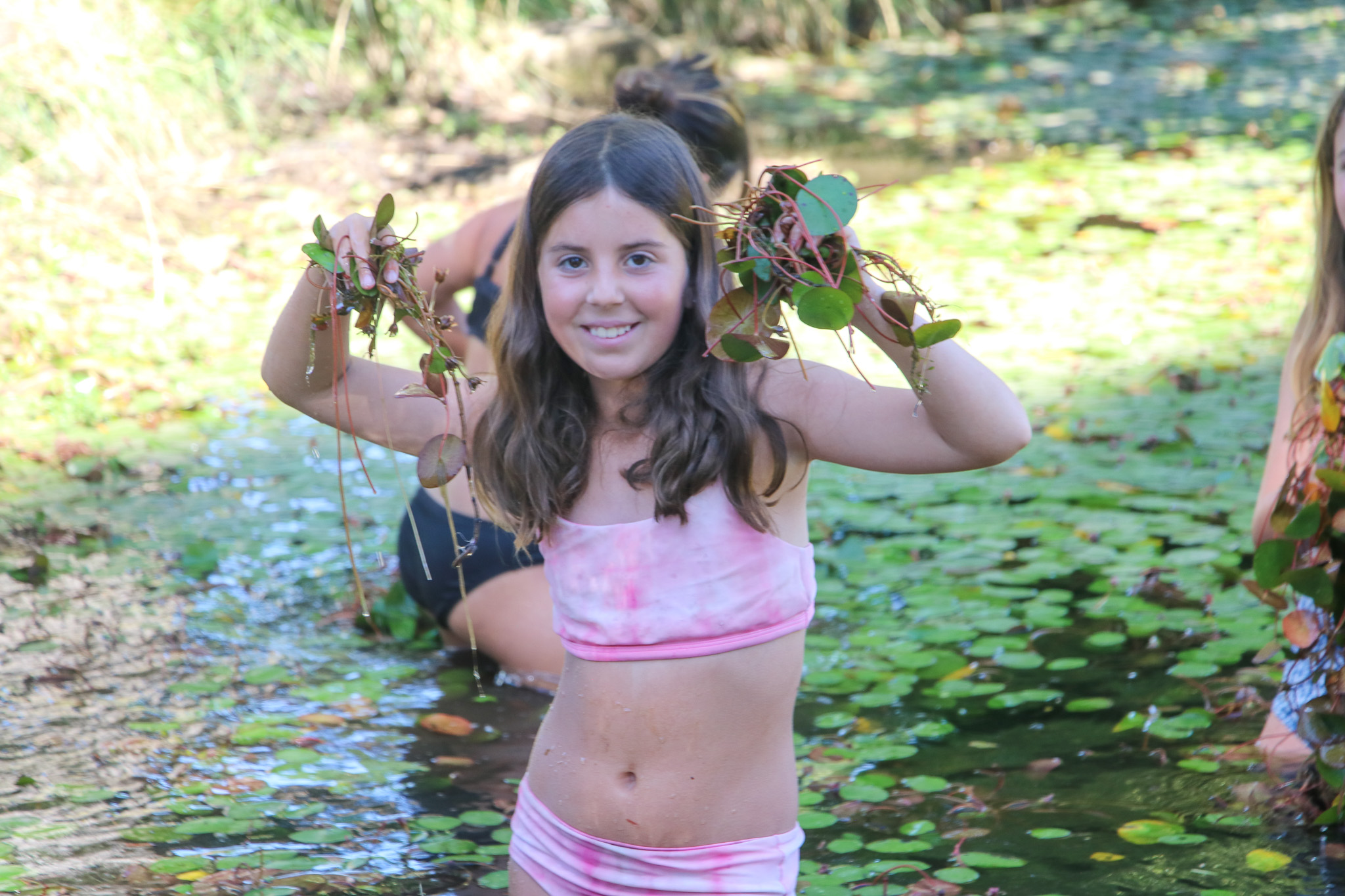
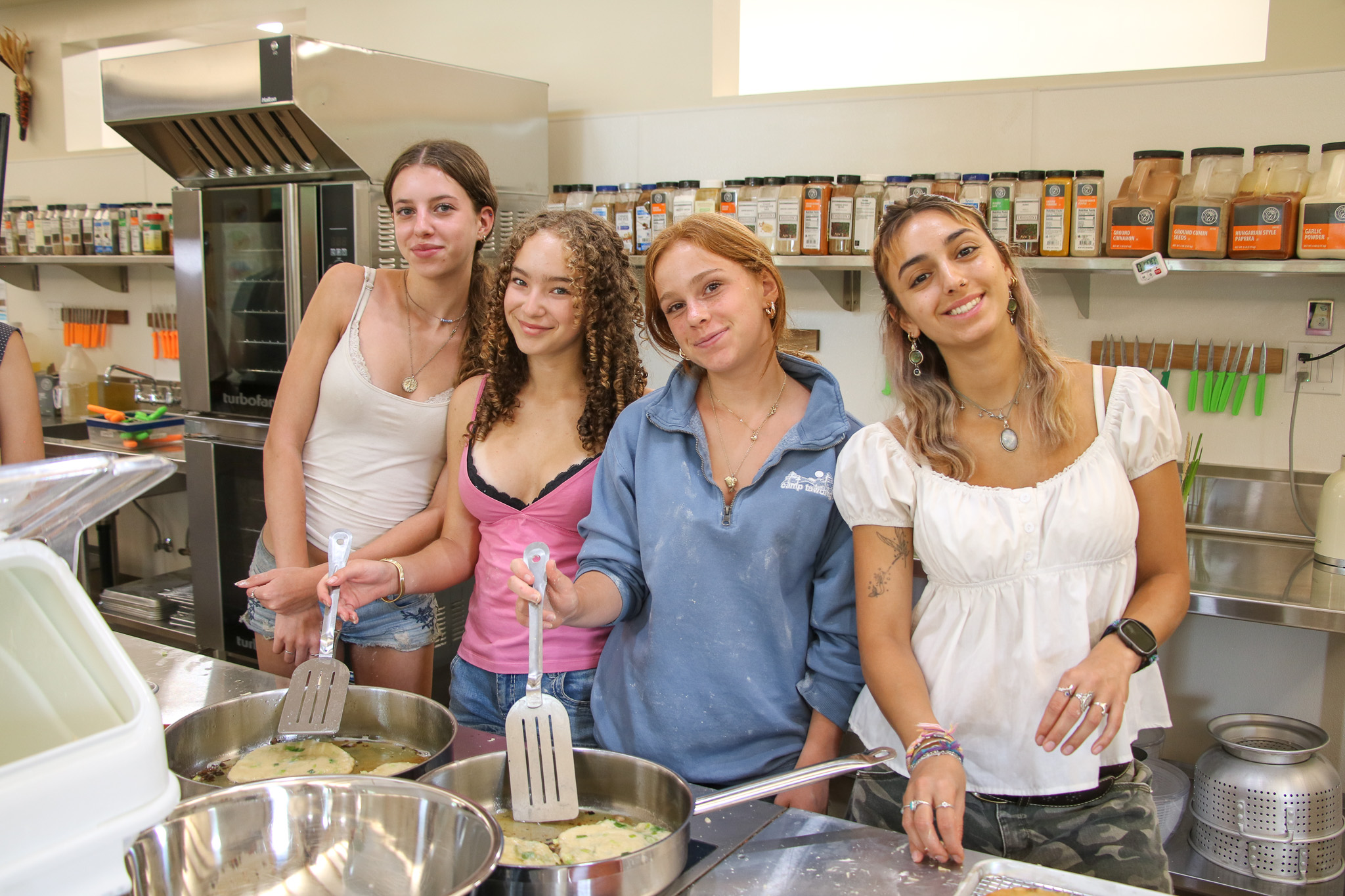
Whether returning to Garden Kitchen to perfect a favorite recipe, advancing their skills in Arts & Crafts, or choosing a Livnot or Chugim elective alongside campers from other bunks who share similar interests, campers begin shaping their own Camp experience. With time comes confidence, ownership and the willingness to try something new.
Finding Belonging
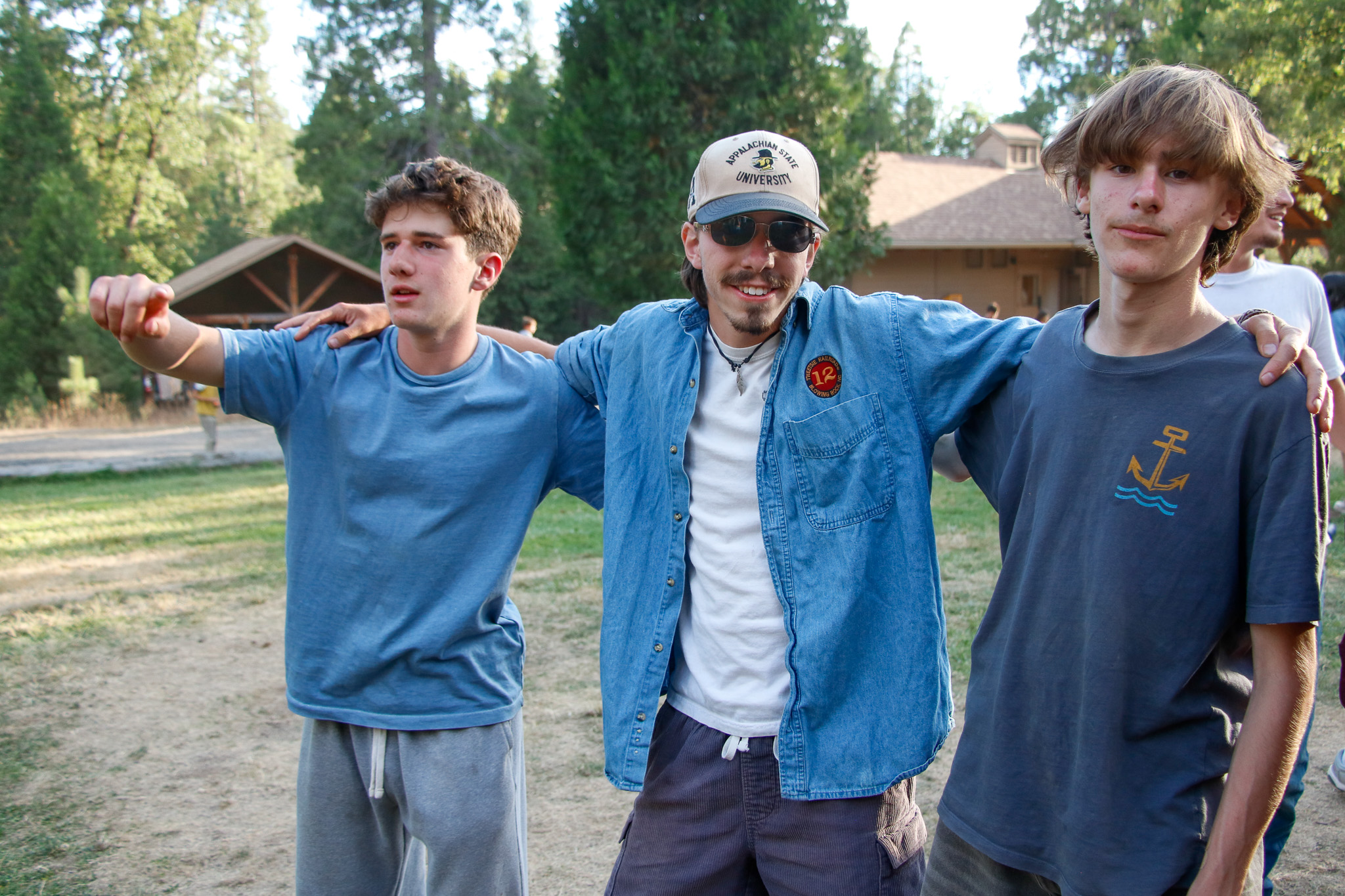
Earlier this week, I spent an evening sitting on the porch with our B-6 bunk. As the sun went down, our conversation turned to middle school, friendships, and some of the pressures they experience back home.
Several campers shared how much energy it can take to fit in at school. They spoke openly about social pressure, popularity and feeling like they have to act a certain way depending on who they’re with. What struck me most wasn’t just their honesty, it was how naturally the other boys responded. One after another, they nodded in agreement, shared similar experiences and reassured one another that they weren’t alone.
It reminded me that some of the most meaningful moments at Camp don’t happen during big events or special programs. Sometimes they happen quietly, after the day’s activities have ended, when campers feel safe enough to simply be themselves.
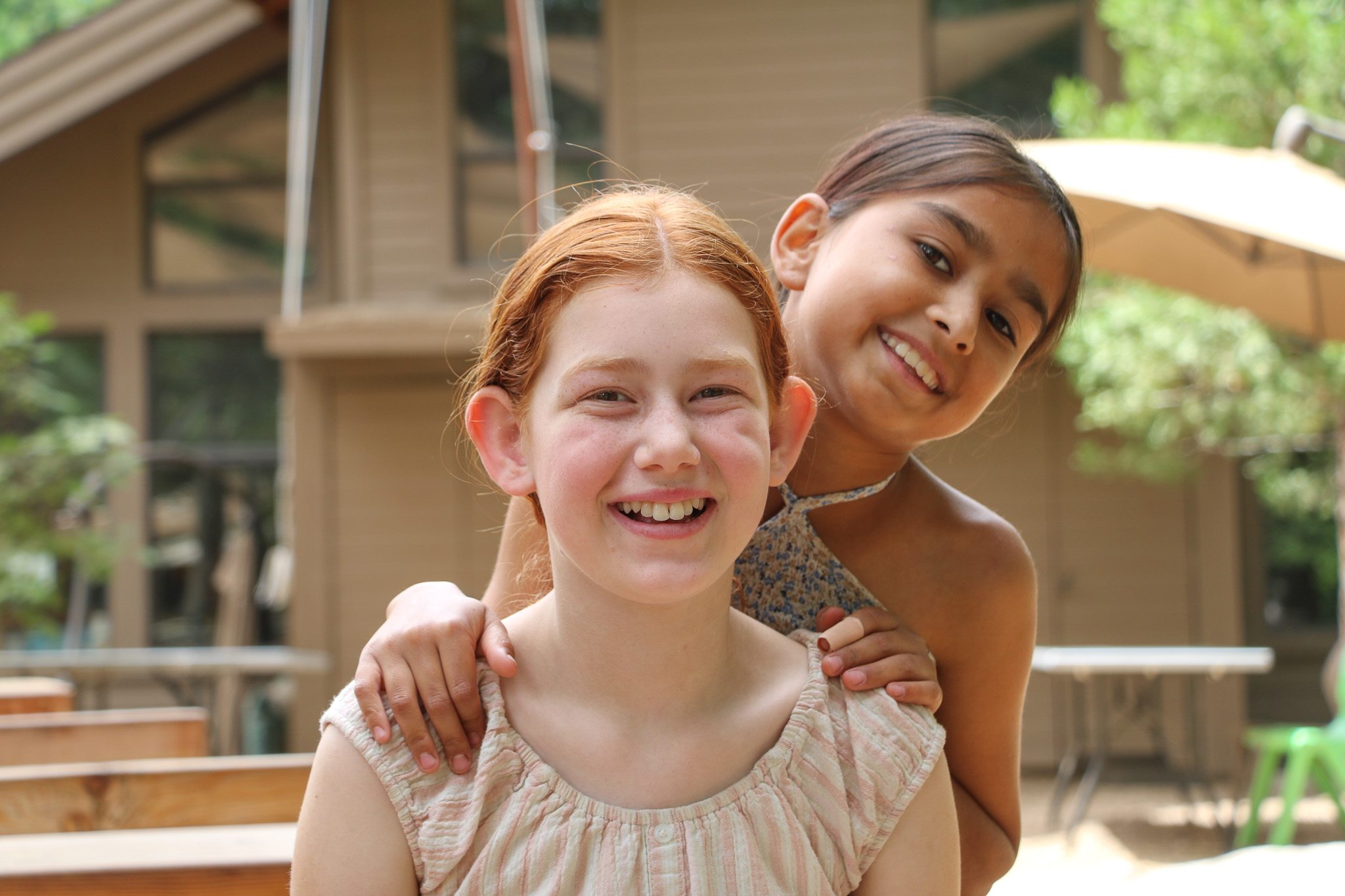
Creating that sense of belonging doesn’t happen by accident. Our counselors work incredibly hard to build bunks where every camper feels valued for exactly who they are. When children know they’re appreciated for bringing their authentic selves to the community they begin to carry themselves differently. They become more confident, more compassionate, and more willing to encourage those around them.
Space to Disconnect and Reconnect
Another gift of three weeks is the opportunity to literally and metaphorically unplug.
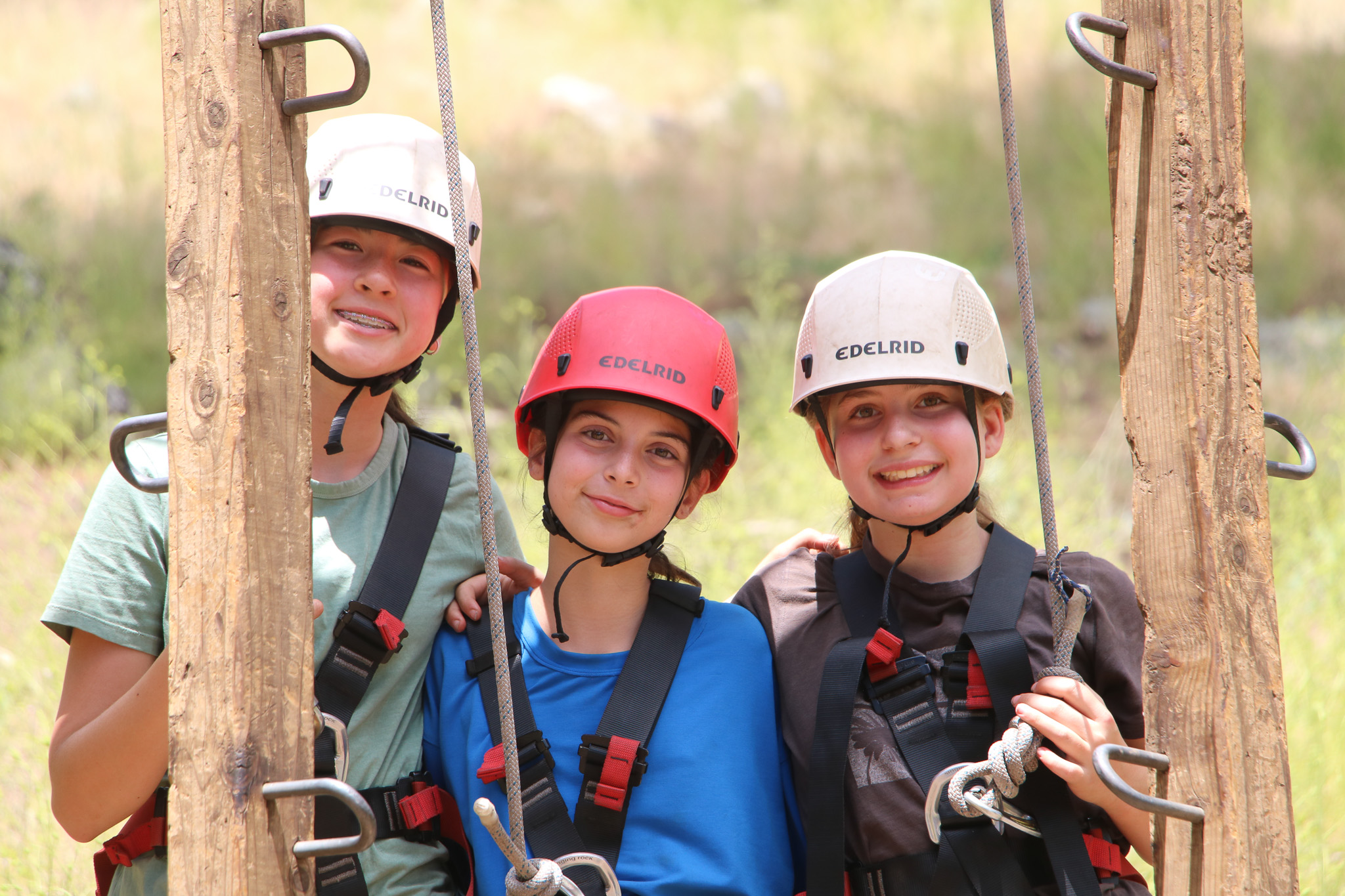
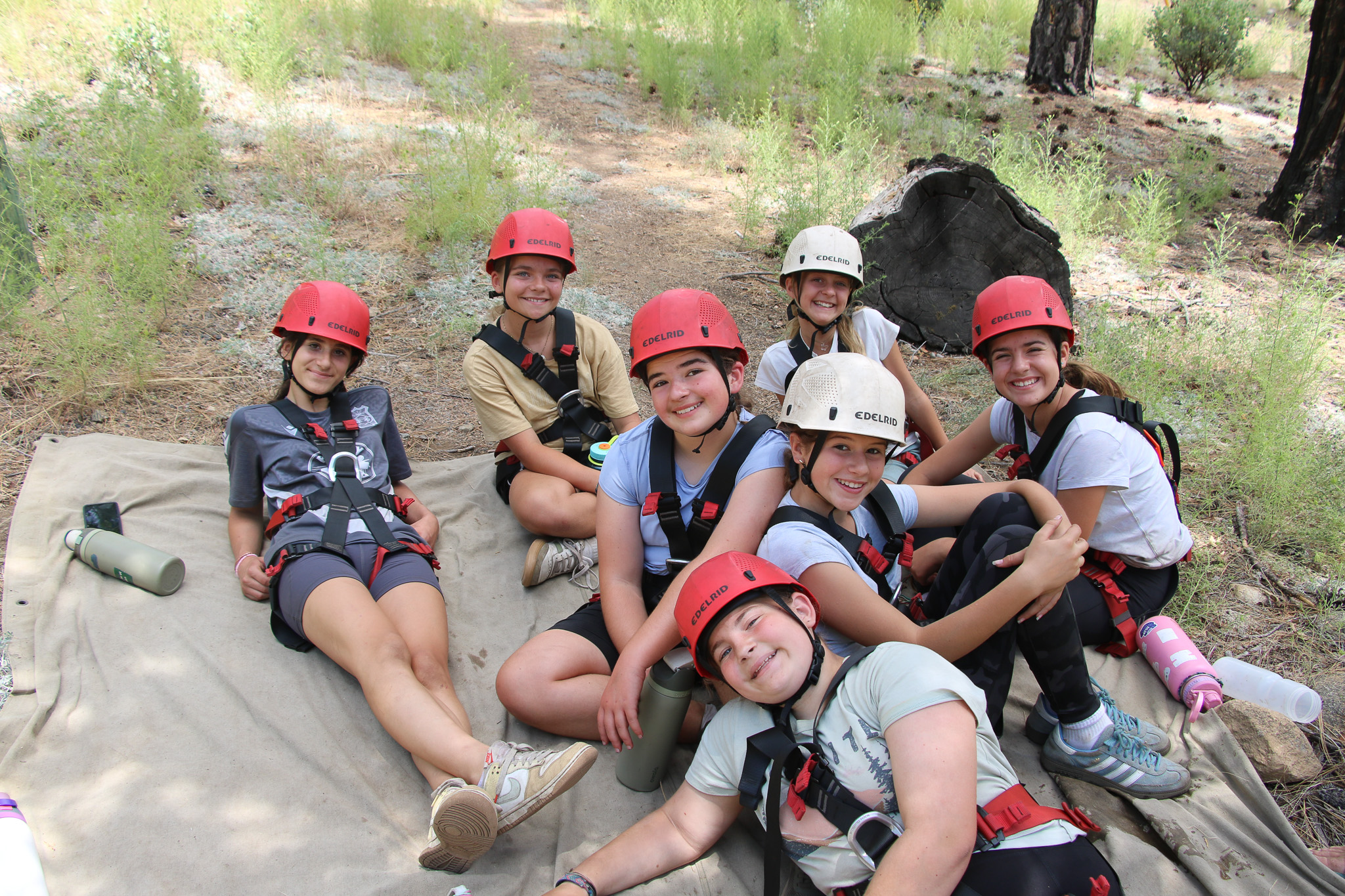
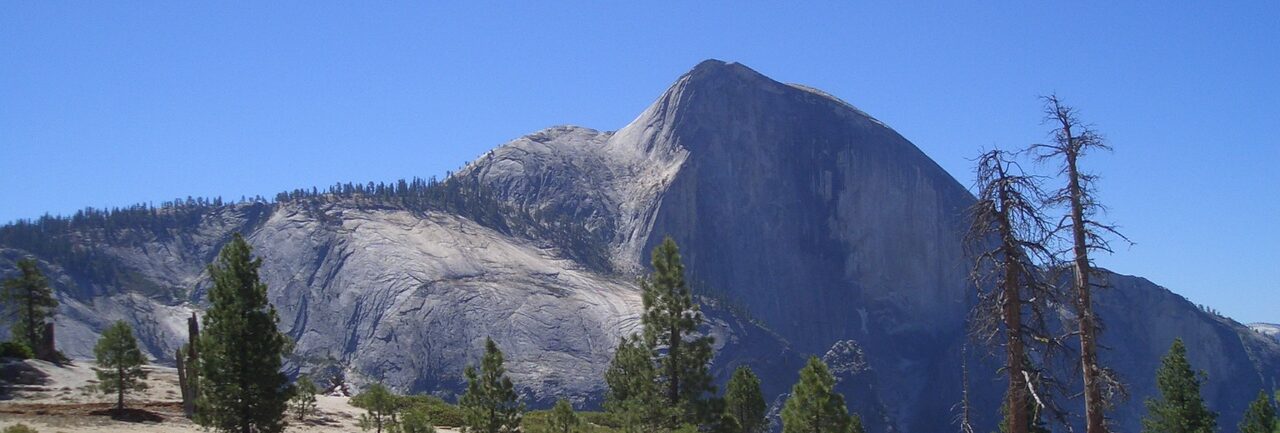
Our older campers spend two nights and three days backpacking through Yosemite National Park and the surrounding wilderness. Out there, surrounded by granite peaks, alpine lakes and towering forests, the pace slows dramatically. There isn’t a minute-by-minute schedule to follow. Campers decide together whether to hike farther, swim, explore, play games, or simply sit together and enjoy where they are.
Those unstructured moments are incredibly valuable.
Back at Camp, I asked the boys in B-6 what it was like to spend three weeks away from their phones and other technology. I expected them to say they missed it. Instead, nearly every camper said they felt calmer. They liked not worrying about keeping up with messages or media. They enjoyed talking face to face, spending time together without screens and being fully present with one another.
Nature has a remarkable way of helping us reconnect – with ourselves, with one another and with the world around us. I hope campers carry a little of that feeling home.
Living in Jewish Community
One of my favorite parts of a three-week session is that campers experience two full Shabbat weekends together.
Jewish summer camp is one of the few places where young people get to live in Jewish time. Rather than balancing school, sports and everything else happening in daily life, campers spend three weeks immersed in Jewish rhythm, tradition, and community.
A camper once told me a beautiful metaphor: “Camp Tawonga is the shabbat of life.” It’s true. Shabbat is a day set apart from the week filled with rest and reflection. Tawonga is that for the rest of the non-camp parts of a camper’s year.
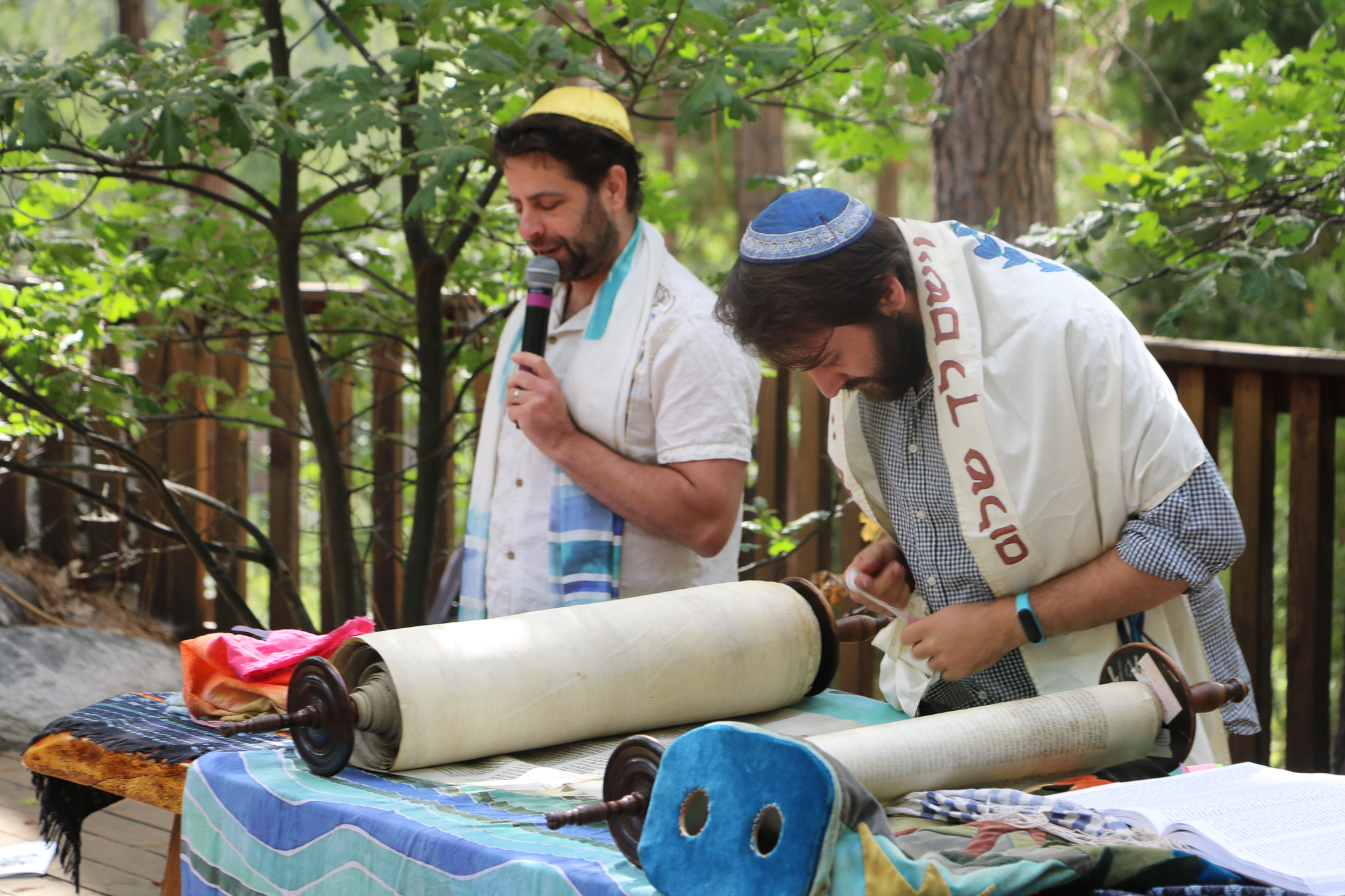
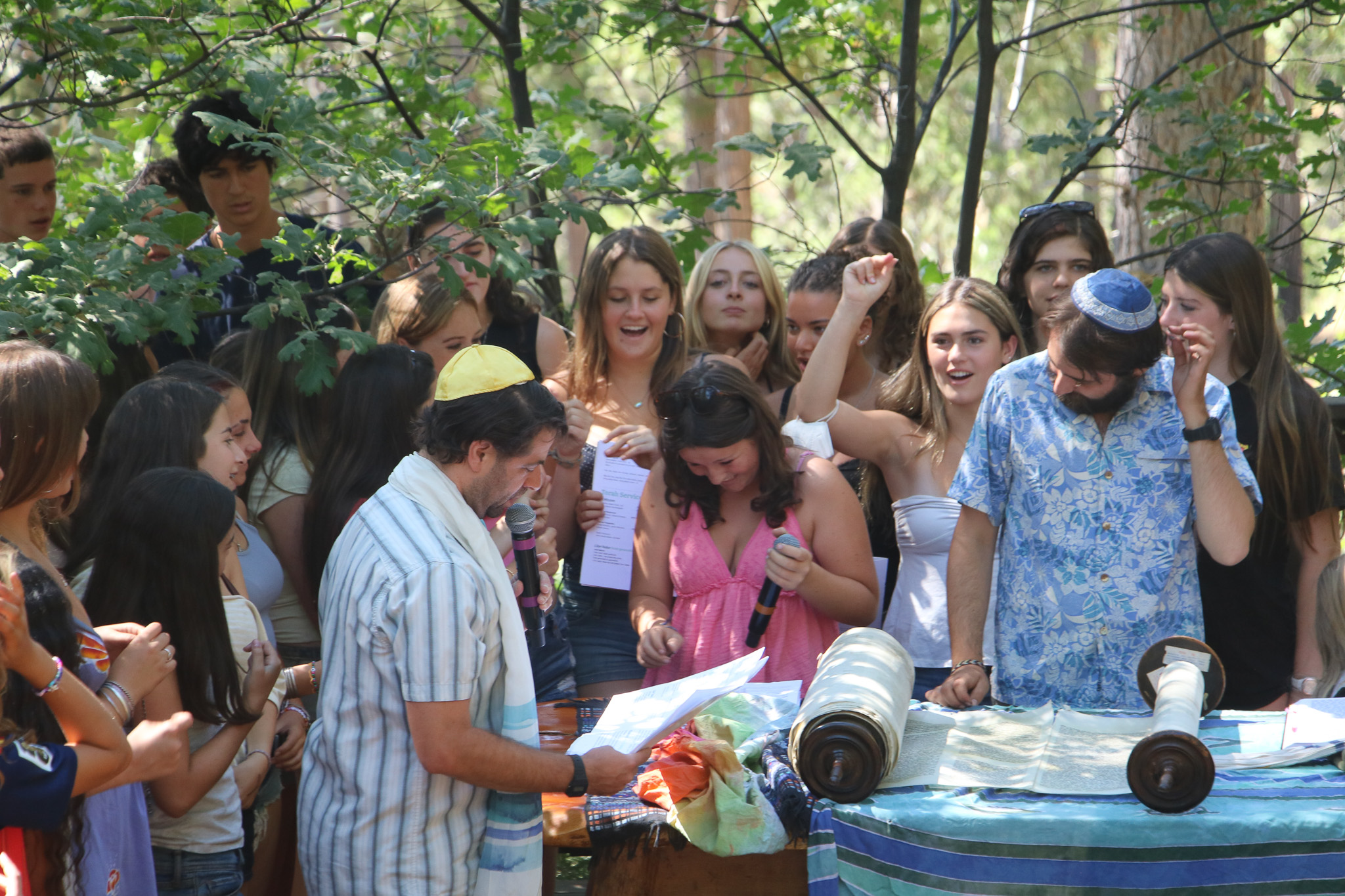
During our second Shabbat service at Makom Shalom, I compared prayer to building a muscle. Like learning an instrument or practicing a sport, prayer becomes more meaningful with repetition. The first time we sing a melody or recite a blessing, we’re still learning. But by the second Shabbat, and for many campers, after returning summer after summer, those prayers begin to feel familiar. This creates space for personal reflection, gratitude, and connection.
Watching campers grow into those traditions over the course of a session is one of the greatest privileges of my work.
In Closing
As parents, your campers will likely come home eager to tell you about backpacking trips, songs they learned, recipes they cooked, art they created or friendships they made. I hope you’ll hear all of those stories.
But I also hope you’ll notice something deeper.
My hope is that they return home more confident in who they are. More willing to help around the house because they’ve practiced caring for their bunk community. More comfortable putting away their phones to spend time with family and friends. More connected to their Jewish identity, to nature and to the people around them.
Camp Tawonga has always been about so much more than activities. The activities are simply the vehicle for helping young people become kinder, more resilient, more compassionate and more connected human beings.
I think of Tawonga as a protective cocoon that campers wrap around themselves during the 49 weeks they’re away. When school becomes stressful, friendships become complicated or life feels overwhelming, I hope they remember this place – a place where they belong, where they are celebrated for exactly who they are and where they discover just how much they’re capable of.
Thank you, parents, for trusting us with your children this session. It has been an incredible privilege to watch them grow, and I can’t wait for them to share their camp stories – I know they’ll carry these with them, along with so many lessons learned, long after the summer ends.